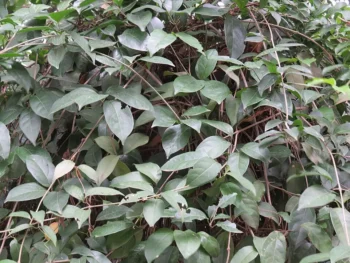
Pseudocalymma alliaceum: A Mysterious Plant Worth Investigating
Ever stumbled across a plant name that sounds intriguing but leaves you scratching your head? Meet Pseudocalymma alliaceum, a plant species that falls squarely into the mysterious botanical territory category. While this plant exists in scientific literature, detailed information about its characteristics, growing requirements, and garden potential remains surprisingly elusive.
What We Know (And What We Don’t)
Here’s the honest truth about Pseudocalymma alliaceum: reliable information about this particular species is scarce. Unlike many well-documented native plants that come with detailed growing guides and glowing testimonials from gardeners, this species seems to fly under the radar of most horticultural resources.
What we do know is that it belongs to the genus Pseudocalymma, but beyond its botanical classification, specifics about its appearance, native range, and growing requirements aren’t readily available in standard gardening references.
The Challenge for Home Gardeners
Without clear information about several key factors, growing Pseudocalymma alliaceum presents some challenges:
- Unknown native status makes it difficult to determine if it supports local ecosystems
- Unclear growing requirements mean you’d be gardening by trial and error
- Uncertain hardiness zones could lead to plant loss in unsuitable climates
- Unknown mature size makes landscape planning nearly impossible
A Better Path Forward
Rather than taking a gamble on a plant with so many unknowns, consider focusing your gardening efforts on well-documented native species. These plants come with the advantage of:
- Proven track records in home landscapes
- Clear growing instructions and care requirements
- Known benefits to local wildlife and pollinators
- Established sources for purchasing healthy specimens
If You’re Still Curious
Should you encounter Pseudocalymma alliaceum through specialized plant sources or botanical collections, proceed with caution and curiosity. Document your experience, take notes on its growth patterns, and consider sharing your observations with botanical databases or local plant societies. You might just help fill in some of those missing puzzle pieces!
Sometimes the most responsible gardening advice is knowing when to say we need more information. In the case of Pseudocalymma alliaceum, that time is now.