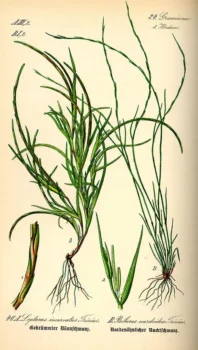
Psilurus incurvus: The Mysterious Mediterranean Grass
If you’ve stumbled across the name Psilurus incurvus in your botanical wanderings, you’ve discovered one of those intriguing plants that seems to fly under the radar. This small Mediterranean grass might not be winning any popularity contests, but it has its own quiet charm for gardeners who appreciate the subtle beauty of native grasses.
What Is Psilurus incurvus?
Psilurus incurvus is a member of the grass family, characterized by its delicate, curved flower spikes that give it a distinctive appearance among Mediterranean flora. You might also encounter it listed under its synonym, Psilurus aristatus. This annual grass represents one of nature’s more understated performers – not flashy, but with its own understated elegance.
Where Does It Come From?
This grass calls the Mediterranean region home, where it has adapted to the warm, dry summers and mild, wet winters typical of this climate zone. It’s particularly found in southern European countries, where it grows in natural grasslands and open areas.
Should You Grow It in Your Garden?
Here’s where things get a bit tricky with Psilurus incurvus. While it’s not considered invasive or harmful, it’s also not widely cultivated or well-documented in gardening circles. This makes it something of a wildcard for home gardeners.
Consider this grass if you:
- Are creating a Mediterranean-style garden
- Want to experiment with unusual native grasses
- Enjoy naturalistic plantings with subtle textures
- Have well-draining, sandy soils
- Live in USDA zones 8-10
However, you might want to skip it if you’re looking for:
- Showy flowering displays
- Major pollinator attractors
- Well-documented care instructions
- Widely available seeds or plants
Growing Conditions and Care
If you decide to take the plunge with this Mediterranean mystery grass, here’s what it seems to prefer:
Climate: Best suited for USDA hardiness zones 8-10, where it can complete its annual cycle without harsh winter freezes.
Soil: Well-draining, sandy soils are ideal. Like many Mediterranean plants, it probably doesn’t appreciate heavy, waterlogged conditions.
Sunlight: Full sun exposure mimics its native Mediterranean habitat.
Water: Once established, it should be quite drought-tolerant, following the typical Mediterranean plant pattern of thriving with minimal summer water.
Planting and Propagation
As an annual grass, Psilurus incurvus would typically be grown from seed. Fall seeding would likely work best, allowing the plants to establish during cooler, moister months and complete their growth cycle before the hot, dry summer arrives.
The challenge? Finding seeds might be your biggest hurdle, as this isn’t exactly a mainstream garden center staple.
The Bottom Line
Psilurus incurvus represents one of those botanical curiosities that appeals to gardeners who enjoy experimenting with unusual plants. While it may not provide the same reliable garden performance as well-known native alternatives, it offers the intrigue of growing something truly uncommon.
If you’re drawn to Mediterranean gardening and enjoy the subtle beauty of native grasses, this might be worth seeking out. Just be prepared for some detective work in sourcing seeds and growing information. Sometimes the most rewarding garden adventures come from the plants that make us work a little harder to understand them.