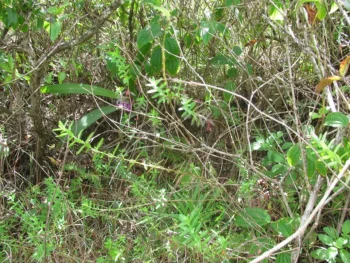
Pukamole: A Lesser-Known Hawaiian Shrub Worth Understanding
If you’ve been exploring Hawaii’s diverse plant life, you might have encountered pukamole (Lythrum maritimum), a somewhat mysterious shrub that has made its home in the islands. While not as famous as some of Hawaii’s other botanical residents, this perennial plant has an interesting story and some unique characteristics that gardeners should know about.
What is Pukamole?
Pukamole, scientifically known as Lythrum maritimum, is a non-native shrub that has established itself in Hawaii’s landscape. This perennial plant typically grows as a multi-stemmed woody shrub, usually staying under 13 to 16 feet in height, though it can sometimes surprise you by growing taller or developing a single stem depending on where it’s planted.
What makes pukamole particularly adaptable is its facultative wetland status, meaning it’s quite the flexible plant – happy to grow in both wet and dry conditions. This adaptability has helped it reproduce spontaneously in Hawaii’s wild areas without human assistance.
Where Does Pukamole Grow?
Currently, pukamole is found growing in Hawaii, where it has naturalized after being introduced from elsewhere. The plant has adapted well to Hawaiian conditions and can be found persisting in various habitats across the islands.
- Species observed
- No observations
Should You Plant Pukamole in Your Garden?
Here’s where things get a bit tricky with pukamole. As a non-native species, it’s not technically part of Hawaii’s original ecosystem, though its current invasive status remains unclear. While there’s no definitive information suggesting it’s harmful to native ecosystems, gardeners who are passionate about supporting local biodiversity might want to consider native Hawaiian alternatives first.
Consider Native Alternatives
If you’re looking to create a garden that truly supports Hawaii’s native ecosystem, consider exploring indigenous Hawaiian shrubs instead. Native plants are specifically adapted to local conditions, require less water and maintenance once established, and provide essential habitat and food sources for native wildlife and pollinators.
Some wonderful native Hawaiian shrubs to consider include:
- ʻAkoko (Euphorbia species)
- Naupaka (Scaevola species)
- ʻIlima (Sida fallax)
- Pua kala (Argemone glauca)
Growing Conditions and Care
If you do choose to work with pukamole, its facultative wetland status suggests it’s quite adaptable to different moisture levels. This flexibility can be both a blessing and something to monitor, as adaptable plants sometimes spread more readily than expected.
Unfortunately, specific growing conditions, propagation methods, and detailed care instructions for pukamole are not well-documented, which speaks to how understudied this particular species is compared to other garden plants.
The Bottom Line
Pukamole represents one of those interesting botanical puzzles – a plant that’s made itself at home in Hawaii but remains somewhat mysterious in terms of its full impact and growing requirements. While not definitively problematic, the lack of detailed information about this non-native species suggests that gardeners passionate about Hawaiian ecosystems might find more rewarding and well-understood options among the islands’ incredible native plant diversity.
If you’re drawn to shrubs that can handle varying moisture conditions, consider exploring native Hawaiian options that offer the same adaptability while supporting local wildlife and maintaining the unique character of Hawaiian landscapes.