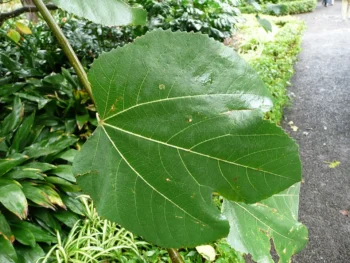
Punjab Fig: A Mediterranean Beauty for Your Garden
If you’re looking to add some exotic flair to your landscape, the Punjab fig (Ficus palmata) might just catch your eye. This interesting shrub brings a touch of the Mediterranean to American gardens, though it’s worth understanding what you’re getting into before you plant one.
What Exactly Is a Punjab Fig?
The Punjab fig is a perennial shrub that typically grows as a multi-stemmed woody plant, usually staying under 13-16 feet tall. Originally from the eastern Mediterranean and parts of Asia, this non-native species has found its way to California, where it’s established itself and reproduces without human help. You might also see it listed under its scientific synonym, Ficus pseudocarica.
Where You’ll Find It Growing
In the United States, Punjab fig has naturalized in California, where the climate suits its Mediterranean origins. It’s adapted well to the Golden State’s conditions and continues to spread on its own.
- Species observed
- No observations
The Good, The Bad, and The Figgy
So why might you want to grow a Punjab fig? Here are some compelling reasons:
- Edible fruit: It produces actual figs that you can eat
- Attractive foliage: The broad, palmate leaves create interesting texture
- Low maintenance: Once established, it’s quite drought tolerant
- Unique character: It adds an exotic Mediterranean vibe to your landscape
However, since this is a non-native species, you might want to consider native alternatives that provide similar benefits while supporting local ecosystems.
Growing Conditions and Care
Punjab fig is surprisingly easy-going once you get it established. Here’s what it needs to thrive:
- Climate: Hardy in USDA zones 7-10
- Sunlight: Full sun to partial shade
- Soil: Well-draining soil is essential – it doesn’t like wet feet
- Water: Drought tolerant once established, but appreciates regular water during dry spells
Planting and Care Tips
Getting your Punjab fig off to a good start isn’t rocket science:
- Plant in spring after the last frost danger has passed
- Choose a location with good drainage – soggy soil is its enemy
- Water regularly during the first year to help establish roots
- Prune lightly for shape, but don’t go overboard
- Protect young plants from hard frosts
- Mulch around the base to retain moisture and suppress weeds
Garden Design Ideas
Punjab fig works well in several garden styles:
- Mediterranean gardens: Perfect companion for lavender, rosemary, and olive trees
- Xeriscape designs: Its drought tolerance makes it ideal for water-wise landscaping
- Edible landscapes: Combines beauty with function in food gardens
- Specimen planting: Makes an interesting focal point in the landscape
Consider Native Alternatives
While Punjab fig can be a lovely addition to your garden, consider these native options that provide similar benefits while supporting local wildlife:
- Native elderberries for edible fruit and wildlife value
- California native currants and gooseberries
- Native manzanitas for drought tolerance and unique character
The Bottom Line
Punjab fig can be a interesting addition to the right garden, especially if you’re going for a Mediterranean look or want to try growing your own figs. Just remember that as a non-native species, it won’t provide the same ecological benefits as native plants. If you do decide to grow one, you’ll be rewarded with a relatively low-maintenance shrub that produces edible fruit and adds exotic appeal to your landscape.
Whatever you choose, happy gardening!