Punktree (Paperbark): Why This Beautiful Tree Should Stay Out of Your Garden
If you’ve ever encountered a punktree, also known as paperbark, you might have been charmed by its distinctive peeling bark and delicate white bottlebrush flowers. But before you consider adding this Australian native to your landscape, there’s something crucial you need to know: this seemingly innocent tree is actually a botanical troublemaker that’s earned itself a spot on the noxious weed list.
What Exactly Is a Punktree?
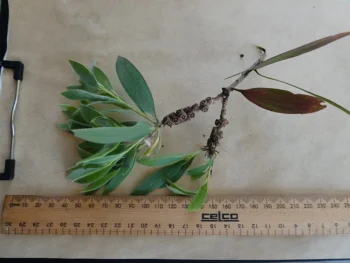
Melaleuca quinquenervia, commonly called punktree or paperbark, is a perennial shrub that can grow into a substantial tree under the right conditions. Originally from eastern Australia, this member of the tea tree family is known for its characteristic papery, peeling bark that comes off in layers – hence the paperbark nickname. The tree produces clusters of creamy-white, bottlebrush-like flowers that are quite attractive to both gardeners and pollinators.
As a shrub, punktree typically stays under 13-16 feet tall with multiple stems, though it can grow much larger and develop a single trunk in favorable conditions. It’s a tough, adaptable plant that seems almost too good to be true – and unfortunately, that’s exactly the problem.
The Not-So-Native Problem
Here’s where things get complicated. While punktree might look lovely in a garden setting, it’s a non-native species that has established itself far from its Australian home. You can find populations of this tree growing wild in Florida, Hawaii, Louisiana, Guam, Palau, and Puerto Rico – and it didn’t get there by accident.
- Species observed
- No observations
The U.S. government has classified punktree as a noxious weed, which is essentially the botanical equivalent of being on a most wanted list. This designation exists because the tree has proven itself to be an aggressive colonizer that can fundamentally alter local ecosystems.
Why Gardeners Should Think Twice
You might be wondering: what’s so bad about a tree that’s clearly hardy and produces pretty flowers? The issue lies in punktree’s remarkable ability to spread and dominate landscapes where it doesn’t belong. Here’s what makes it problematic:
- Aggressive spreading: Once established, punktree reproduces spontaneously and persists without human help
- Wetland invasion: It thrives in both wetland and non-wetland environments, making it incredibly versatile in colonizing new areas
- Ecosystem disruption: Large stands can alter local hydrology and crowd out native vegetation
- Fire hazard: The tree’s papery bark and oils can increase fire intensity in some regions
Growing Conditions (For Educational Purposes Only)
While we don’t recommend planting punktree, understanding its preferred conditions can help you identify why it’s been so successful as an invasive species. This tree is remarkably adaptable, growing in USDA hardiness zones 9-11. It shows a particular fondness for wet conditions and can handle everything from occasional flooding to slightly drier soils.
Punktree tolerates both full sun and partial shade, making it even more versatile in colonizing different habitats. Its low-maintenance nature – requiring little care once established – might sound appealing to gardeners, but this same trait makes it a persistent problem in natural areas.
Better Alternatives for Your Garden
Instead of risking the ecological consequences of planting punktree, consider these native alternatives that can provide similar aesthetic appeal without the environmental baggage:
- For attractive bark: Try native birch species or American sycamore
- For bottlebrush-like flowers: Consider native buttonbush (Cephalanthus occidentalis) or spicebush (Lindera benzoin)
- For wetland gardens: Look into native willows, red maple, or bald cypress depending on your region
- For coastal landscapes: Explore native saltbush, sea grape, or coastal live oak options
The Bottom Line
While punktree might seem like an attractive, low-maintenance addition to your landscape, its status as a noxious weed makes it a poor choice for responsible gardening. The tree’s ability to escape cultivation and establish invasive populations poses real risks to local ecosystems and native plant communities.
Instead of taking a chance with this problematic species, invest in native alternatives that will provide beauty, support local wildlife, and enhance rather than threaten your regional ecosystem. Your local environment – and future generations of gardeners – will thank you for making the responsible choice.