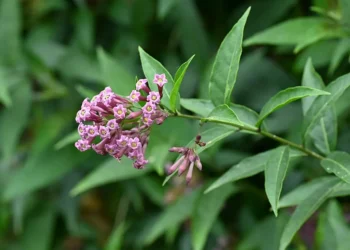
Purple Cestrum: A Fragrant Night Bloomer for Warm Gardens
If you’ve ever caught a whiff of something mysteriously sweet and intoxicating on a warm evening, you might have encountered purple cestrum. This fragrant shrub, scientifically known as Cestrum elegans, brings a touch of tropical elegance to gardens in warmer climates with its deep purple blooms and enchanting nighttime perfume.
What Is Purple Cestrum?
Purple cestrum is a flowering shrub that belongs to the nightshade family. You might also see it listed under its synonym, Cestrum purpureum. This attractive plant produces clusters of tubular, deep purple flowers that release their strongest fragrance during evening hours – nature’s way of calling to night-flying pollinators.
Where Does It Come From?
Originally hailing from Mexico and Central America, purple cestrum has found its way into gardens around the world. It thrives in warm, subtropical and tropical regions where frost is rare or nonexistent.
Why Gardeners Love (and Sometimes Question) This Plant
Purple cestrum has some undeniable charms that make it appealing to gardeners:
- Intensely fragrant purple flowers that perfume evening air
- Attracts fascinating night pollinators like moths and bats
- Evergreen foliage provides year-round structure
- Relatively easy to grow in appropriate climates
- Creates beautiful clusters of color in the landscape
However, since this isn’t a native plant in most areas where it’s grown, consider exploring native alternatives that provide similar benefits while supporting local ecosystems. Your local native plant society can suggest indigenous shrubs with evening fragrance or night-blooming flowers.
Garden Design and Landscape Role
Purple cestrum works beautifully as a specimen shrub or as part of a mixed border. It’s particularly well-suited for:
- Mediterranean-style gardens
- Cottage garden settings
- Evening gardens designed for nighttime enjoyment
- Areas where you want to attract night-flying wildlife
The shrub typically grows 6-8 feet tall and wide, making it perfect for creating privacy screens or adding substantial presence to garden beds.
Growing Conditions and Care
Purple cestrum is fairly accommodating if you can provide its basic needs:
Climate Requirements
This plant thrives in USDA hardiness zones 9-11. It’s quite frost-tender, so gardeners in cooler areas might need to treat it as an annual or grow it in containers that can be moved indoors during winter.
Soil and Sun
Plant your purple cestrum in well-draining soil – it doesn’t appreciate soggy feet. A spot with full sun to partial shade works well, though more sun generally means more flowers.
Water Needs
Once established, purple cestrum is fairly drought-tolerant, but regular watering during dry periods will keep it looking its best and blooming prolifically.
Planting and Care Tips
Getting your purple cestrum off to a good start is straightforward:
- Plant in spring after the last frost danger has passed
- Dig a hole twice as wide as the root ball but no deeper
- Water regularly during the first growing season to establish strong roots
- Prune lightly after the main flowering period to maintain shape
- In borderline hardy areas, plant near a south-facing wall for extra warmth protection
Wildlife and Pollinator Benefits
One of purple cestrum’s most magical qualities is its ability to transform your garden into a nighttime wildlife habitat. The evening-scented flowers attract moths, which in turn can bring bats to your garden – creating a fascinating ecosystem right outside your door.
Before You Plant
While purple cestrum can be a lovely addition to appropriate gardens, remember that choosing native plants helps support local wildlife and ecosystems more effectively. If you do decide to grow purple cestrum, enjoy its unique evening fragrance and the nocturnal visitors it brings, but also consider incorporating native night-blooming plants to create a truly wildlife-friendly garden.
Whether you’re drawn to its intoxicating perfume or curious about attracting night pollinators, purple cestrum offers a distinctive gardening experience for those in warm enough climates to support it.