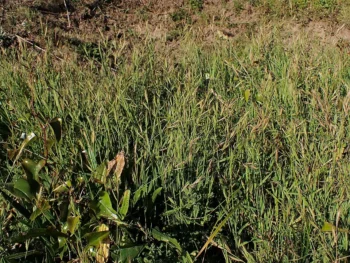
Purple False Brome: A Mediterranean Grass That’s Made Its Mark in America
If you’ve stumbled across the name purple false brome while researching grasses for your garden, you might be wondering what this delicate-sounding plant is all about. Also known by its scientific name Brachypodium distachyon, this annual grass has quietly established itself across several U.S. states, though it’s not originally from around here.
What Exactly Is Purple False Brome?
Purple false brome is a small annual grass that hails from the Mediterranean region. Don’t let the purple in its name get your hopes up for dramatic color—this grass is fairly modest in appearance, with subtle purple tinges on its delicate seed heads that give it its common name. You might also see it listed under its old scientific names, Bromus distachyos or Trachynia distachya, if you’re digging through older gardening references.
Where You’ll Find It Growing
Originally a Mediterranean native, purple false brome has made itself at home in scattered locations across the United States. You can find established populations in California, Colorado, Hawaii, New Jersey, Oregon, and Texas. It’s what botanists call a non-native species that reproduces on its own in the wild without any help from gardeners.
- Species observed
- No observations
The Good, The Bad, and The Realistic
Let’s be honest—purple false brome isn’t going to win any showstopper plant of the year awards. Here’s what you’re getting if you decide to grow it:
- A small, unassuming annual grass
- Delicate seed heads with subtle purple coloring
- Easy-care growing habits
- Self-seeding tendencies
While it’s not considered invasive, it’s also not contributing much to local ecosystems in terms of supporting native wildlife or pollinators. Like most grasses, it’s wind-pollinated, so don’t expect butterflies and bees to flock to it.
Growing Conditions and Care
If you’re determined to give purple false brome a try, you’ll find it’s refreshingly low-maintenance. This grass thrives in USDA hardiness zones 8-11 and prefers:
- Full sun exposure
- Well-drained soils
- Minimal watering once established
As an annual, it completes its entire life cycle in one growing season, but it readily self-seeds, so you might find it popping up year after year if conditions are right.
Better Alternatives for Your Garden
While purple false brome isn’t harmful, you might want to consider native grass alternatives that offer similar easy-care benefits while supporting local wildlife. Depending on your region, native bunch grasses or other indigenous species could provide better ecological value and often more visual interest too.
Some native alternatives to research for your area might include little bluestem, buffalo grass, or regional sedges—all of which tend to be more beneficial for local birds, insects, and overall ecosystem health.
The Bottom Line
Purple false brome is neither a garden villain nor a must-have treasure. It’s a quiet, undemanding grass that does its own thing without causing major problems. If you’re looking for a low-maintenance annual grass and happen to come across seeds, it won’t hurt to try it. Just remember that choosing native plants whenever possible is usually the better bet for creating a garden that truly supports your local environment.