Purple Granadilla: The Climbing Vine That Brings Tropical Flavor to Your Garden
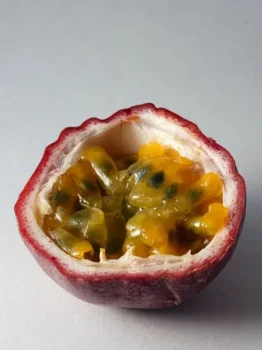
If you’ve ever dreamed of harvesting exotic, aromatic fruits right from your backyard, purple granadilla might just be the vine for you. This vigorous climbing plant, scientifically known as Passiflora edulis, has captured the hearts of gardeners in warm climates with its stunning flowers and delicious passion fruit.
What Is Purple Granadilla?
Purple granadilla is a perennial climbing vine that belongs to the passion flower family. True to its nature as a twining plant, it produces relatively long stems that can be either woody or herbaceous, depending on growing conditions and age. This energetic climber is all about reaching for the sky – and it needs your help to get there!
Where Does It Come From?
Originally hailing from South America, purple granadilla isn’t native to the United States. However, it has found a comfortable home in several warm regions where it now reproduces spontaneously in the wild. You’ll find established populations thriving in Florida, Georgia, Hawaii, Puerto Rico, and the Virgin Islands.
- Species observed
- No observations
Why Gardeners Love (and Sometimes Question) This Vine
There’s no denying that purple granadilla brings some serious wow factor to the garden. Here’s what makes it appealing:
- Stunning flowers: The intricate purple and white blooms are absolutely mesmerizing
- Delicious fruit: Those famous passion fruits pack an incredible aromatic punch
- Fast coverage: Perfect for quickly screening unsightly areas or covering pergolas
- Pollinator magnet: Bees and butterflies can’t resist those nectar-rich flowers
However, since it’s not native to North America, some gardeners prefer to choose indigenous alternatives that better support local ecosystems. Consider native passion vines like Passiflora incarnata (maypop) if you’re in the southeastern United States.
Growing Purple Granadilla Successfully
Climate Requirements
Purple granadilla thrives in USDA hardiness zones 9-11, where frost is rare or nonexistent. If you live in a cooler climate, you might be able to grow it in a large container and bring it indoors during winter, though fruiting may be limited.
Ideal Growing Conditions
This vine isn’t particularly fussy, but it does have preferences:
- Light: Full sun to partial shade (at least 6 hours of sunlight daily)
- Soil: Well-draining soil that doesn’t stay soggy
- Water: Regular watering, especially during dry spells
- Space: Room to climb – this vine can reach 15-20 feet or more!
Interestingly, purple granadilla typically grows in non-wetland areas but can tolerate occasional wet conditions, earning it a Facultative Upland wetland status across its established range.
Planting and Care Tips
Setting up your purple granadilla for success starts with proper planning:
- Provide strong support: Install a sturdy trellis, pergola, or fence before planting
- Plant after frost danger: Wait until temperatures consistently stay above 50°F
- Mulch around the base: This helps retain moisture and suppress weeds
- Prune regularly: Keep growth manageable and remove dead or damaged parts
- Fertilize modestly: Too much nitrogen can promote leaves over flowers and fruit
Garden Design Ideas
Purple granadilla shines in several landscape roles:
- Covering arbors and pergolas in edible landscape designs
- Creating natural privacy screens along fence lines
- Adding vertical interest to tropical and subtropical gardens
- Attracting pollinators in butterfly and bee gardens
The Bottom Line
Purple granadilla can be a delightful addition to warm-climate gardens, offering both ornamental beauty and edible rewards. While it’s not native to North America, it’s currently not classified as invasive in areas where it’s established. If you decide to grow it, just remember that this vigorous vine needs room to roam and strong support to climb. And if you’re passionate about supporting native ecosystems, consider exploring indigenous passion vine alternatives that might be better suited to your local environment.
Whether you choose purple granadilla or a native alternative, you’ll be rewarded with stunning flowers and the satisfaction of growing something truly special in your garden!