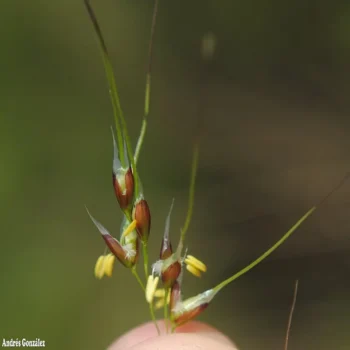
Purple Speargrass: A South American Ornamental Grass for California Gardens
If you’re looking to add some graceful movement and fine texture to your California landscape, purple speargrass (Piptochaetium stipoides) might catch your eye. This perennial ornamental grass brings a touch of South American flair to Mediterranean-style gardens, though it’s worth understanding both its benefits and its non-native status before adding it to your landscape.
What is Purple Speargrass?
Purple speargrass is a clumping perennial grass that belongs to the graminoid family – essentially the grass and grass-like plant group. Originally from South America, including Argentina, Chile, and Uruguay, this species has found its way into California gardens where it thrives in our Mediterranean climate.
You might also encounter this plant under its former scientific names, including Stipa chaetophora or Urachne stipoides, as botanical classifications have evolved over time.
Where Does Purple Speargrass Grow?
In the United States, purple speargrass has established itself in California, where it reproduces naturally without human intervention. While it’s considered a non-native introduced species, it has adapted well to our local conditions.
- Species observed
- No observations
Garden Appeal and Landscape Role
What makes purple speargrass attractive to gardeners is its ability to create soft, naturalistic texture in the landscape. The plant forms neat clumps with fine-textured foliage that sways beautifully in the breeze, adding movement and visual interest to garden beds. When it blooms, it produces feathery seed heads that catch the light and add another dimension to its aesthetic appeal.
This grass works particularly well in:
- Mediterranean-style gardens
- Drought-tolerant landscapes
- Ornamental grass borders
- Naturalistic plantings
Growing Conditions and Care
Purple speargrass is fairly accommodating when it comes to growing conditions, making it relatively easy to establish and maintain:
Sunlight: Thrives in full sun locations
Soil: Prefers well-drained soils and can handle various soil types
Water: Drought tolerant once established, though regular watering during the first year helps establishment
Climate: Hardy in USDA zones 8-10, making it suitable for most of California
Planting and Maintenance Tips
Getting purple speargrass established in your garden is straightforward:
- Plant in spring when soil temperatures are warming
- Space plants according to desired mature size and coverage
- Water regularly during the first growing season to encourage deep root development
- Once established, this grass requires minimal maintenance
- Cut back old foliage in late winter or early spring to make room for new growth
Wildlife and Pollinator Value
As a wind-pollinated grass, purple speargrass doesn’t offer significant direct benefits to pollinators like bees and butterflies. However, grasses can provide habitat and nesting materials for various wildlife species.
Should You Plant Purple Speargrass?
While purple speargrass can be an attractive addition to appropriate garden settings, it’s worth considering that as a non-native species, it doesn’t provide the same ecological benefits as native California grasses. If you’re interested in supporting local ecosystems while still enjoying ornamental grasses, consider these native alternatives:
- Purple needlegrass (Stipa pulchra) – California’s state grass
- Foothill needlegrass (Stipa lepida)
- Giant wild rye (Leymus condensatus)
That said, if purple speargrass fits your specific design vision and growing conditions, and you can source it responsibly, it can be a suitable choice for ornamental purposes in appropriate landscapes.
The Bottom Line
Purple speargrass offers graceful texture and low-maintenance appeal for California gardens, particularly those with Mediterranean themes or drought-tolerant designs. While it’s not native to our region, it’s adapted well to our climate and can be grown successfully with minimal care. Just remember to consider native alternatives first – they’ll provide greater benefits to local wildlife while often being even better adapted to your specific growing conditions.