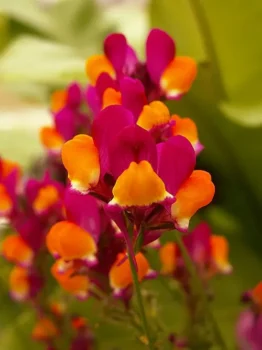
Purplenet Toadflax: A Delicate Mediterranean Beauty for Your Garden
If you’ve ever stumbled across a patch of tiny purple flowers that look like miniature snapdragons with intricate netted patterns, you’ve likely encountered purplenet toadflax (Linaria reticulata). This charming little plant brings a touch of Mediterranean elegance to gardens across the United States, though it’s not without its considerations for the thoughtful gardener.
What Is Purplenet Toadflax?
Purplenet toadflax is a delicate forb – essentially a non-woody flowering plant – that can behave as either an annual or short-lived perennial depending on your climate. Originally hailing from the Mediterranean region, particularly Spain and North Africa, this plant has made its way to North American gardens where it now grows wild in states like California and Connecticut.
The plant gets its common name from the distinctive reticulated (netted) pattern visible on its purple flower petals, creating an intricate lacework effect that’s quite mesmerizing up close. As a non-native species that reproduces spontaneously in the wild, it’s established itself as a naturalized resident in parts of the United States.
- Species observed
- No observations
Why Consider (or Reconsider) Purplenet Toadflax?
Before you rush to add this Mediterranean charmer to your shopping list, let’s weigh the pros and cons:
The Appeal:
- Delicate purple flowers with unique netted patterns provide visual interest
- Low maintenance once established
- Drought tolerant, perfect for water-wise gardening
- Attracts small pollinators like bees and butterflies
- Self-seeds readily, creating naturalized drifts
- Suitable for rock gardens, cottage gardens, and wildflower meadows
The Considerations:
- As a non-native plant, it doesn’t support local ecosystems as effectively as native alternatives
- Can self-seed aggressively in some conditions
- May outcompete native wildflowers in naturalized settings
Growing Purplenet Toadflax Successfully
If you decide to give purplenet toadflax a try, here’s how to grow it successfully:
Growing Conditions:
- Sunlight: Full sun to partial shade
- Soil: Well-drained soils; avoid heavy, waterlogged areas
- Water: Drought tolerant once established; minimal watering needed
- Hardiness: USDA zones 7-10 for perennial growth; grown as annual elsewhere
Planting and Care Tips:
- Direct sow seeds in spring after the last frost
- Scatter seeds lightly on prepared soil surface – they need light to germinate
- Keep soil slightly moist until germination occurs
- Once established, minimal care is required
- Deadhead spent flowers to prevent excessive self-seeding if desired
- Allow some flowers to go to seed if you want natural reseeding
Consider Native Alternatives
While purplenet toadflax can be an attractive garden addition, consider these native alternatives that provide similar aesthetic appeal while supporting local wildlife:
- Wild lupine (Lupinus perennis): Purple spikes that attract butterflies
- Purple prairie clover (Dalea purpurea): Drought-tolerant with purple flower heads
- Penstemon species: Native snapdragon relatives in various purple shades
- Asters and goldenrods: Late-season purple and yellow blooms for pollinators
The Bottom Line
Purplenet toadflax can be a lovely addition to Mediterranean-style gardens, rock gardens, or cottage garden settings, especially if you appreciate its delicate beauty and low-maintenance nature. However, as environmentally conscious gardeners, we might consider prioritizing native plants that better support local ecosystems and wildlife.
If you do choose to grow purplenet toadflax, monitor its spread and consider pairing it with native species to create a more balanced garden ecosystem. Remember, the most beautiful gardens are often those that work in harmony with their local environment while still expressing your personal style.