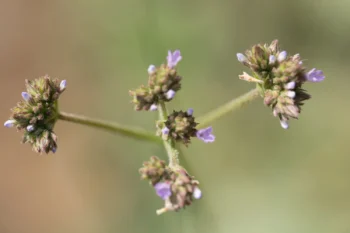
Purpletop Vervain: The Tall, Purple Charmer That’s Taking Gardens by Storm
If you’ve ever wandered through a garden and been mesmerized by tall, wispy stems topped with clusters of tiny purple flowers that seem to dance in the breeze, you’ve likely encountered purpletop vervain (Verbena bonariensis). This South American native has become a beloved garden plant across much of North America, and it’s easy to see why gardeners can’t get enough of its ethereal beauty.
What Exactly Is Purpletop Vervain?
Purpletop vervain is a forb – essentially a non-woody flowering plant that can live as an annual, biennial, or perennial depending on your climate. Standing tall on slender, square stems that can reach 3-6 feet high, this plant creates an almost see-through effect in the garden. Its small purple flowers cluster together in flat-topped heads, creating a hazy purple cloud effect that’s simply magical.
Originally hailing from South America (particularly Argentina and southern Brazil), this plant has made itself at home across a wide swath of North America. You’ll find it growing in states from Alabama to Virginia, and from California to New York, plus it’s established itself in parts of Canada, Hawaii, and Puerto Rico.
- Species observed
- No observations
The Good, The Beautiful, and The Considerations
Let’s be honest about what we’re dealing with here. Purpletop vervain isn’t native to North America – it’s what botanists call an introduced species that has naturalized in the wild. This means it can reproduce and spread on its own without human help. While it’s not currently classified as invasive in most areas, it’s worth keeping this in mind as a responsible gardener.
That said, this plant brings some serious garden magic to the table:
- Creates stunning vertical interest without blocking views
- Blooms from summer straight through to frost
- Attracts butterflies, bees, and other beneficial insects like nobody’s business
- Drought tolerant once established
- Perfect for cutting gardens
- Self-seeds readily (which can be a pro or con, depending on your perspective!)
Where Does Purpletop Vervain Shine?
This plant is a star performer in cottage gardens, prairie-style landscapes, and mixed borders. Its airy nature makes it perfect for weaving between other plants – it adds height and movement without overwhelming its neighbors. Many gardeners love using it as a filler plant that ties different garden elements together.
The plant’s relationship with water is pretty flexible too. Depending on your region, it can handle both wetland and upland conditions, though it generally prefers well-drained soil and full sun.
Growing Purpletop Vervain Successfully
Good news for busy gardeners – purpletop vervain is refreshingly low-maintenance! Here’s what you need to know:
Climate Zones: Hardy in USDA zones 7-11, but often grown as an annual in cooler areas where it readily self-seeds for next year’s show.
Planting Conditions:
- Full sun (6+ hours daily)
- Well-drained soil (it’s not picky about soil type)
- Space plants about 12-18 inches apart
Care Tips:
- Water regularly until established, then it’s quite drought tolerant
- Deadhead spent flowers if you want to prevent self-seeding
- In colder zones, let some flowers go to seed for next year’s plants
- Cut back in late fall or early spring
A Word About Responsibility
Since purpletop vervain isn’t native to North America, consider complementing it with native alternatives that provide similar benefits. Native vervains like blue vervain (Verbena hastata) or native asters can offer comparable beauty while supporting local ecosystems. If you do choose to grow purpletop vervain, keep an eye on its self-seeding habits and remove unwanted seedlings to prevent it from escaping into natural areas.
The Bottom Line
Purpletop vervain is undeniably beautiful and relatively easy to grow, making it a tempting choice for gardeners seeking vertical interest and pollinator appeal. While it’s not native, it’s currently not considered invasive in most areas where it grows. Whether you choose to include it in your garden is ultimately a personal decision – just remember to garden responsibly and consider native alternatives that can provide similar benefits while supporting your local ecosystem.
If you do decide to welcome this purple charmer into your garden, you’ll be rewarded with months of airy blooms, happy pollinators, and a plant that practically takes care of itself. Just don’t say we didn’t warn you when you find yourself completely smitten with its effortless elegance!