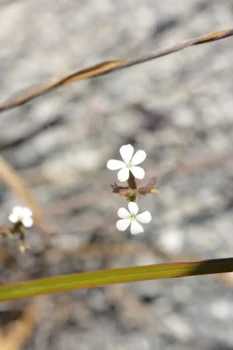
Pygmy Bluehearts: A Tiny Non-Native Annual Worth Knowing About
Meet pygmy bluehearts (Buchnera pusilla), a diminutive annual that’s quietly made itself at home in Hawaii’s landscapes. While this little plant might not win any beauty contests, it’s got an interesting story and some unique characteristics that make it worth understanding, especially if you’re curious about the diverse plant life flourishing in tropical gardens.
What Are Pygmy Bluehearts?
Pygmy bluehearts are exactly what their name suggests – tiny plants with small blue to purple heart-shaped flowers. As an annual, this plant completes its entire life cycle in one growing season, sprouting, flowering, setting seed, and dying all within a year. Don’t expect to be wowed by its size though – true to its pygmy name, this is one of the smaller players in the plant world.
Where Do They Come From and Where Do They Grow?
Originally hailing from tropical regions of Africa and Asia, pygmy bluehearts have found their way to Hawaii, where they’ve established themselves as a non-native species that reproduces on its own. They’re not native to the islands, but they’ve adapted well to the tropical climate and can be found growing wild in disturbed soils and open areas.
Currently, in the United States, you’ll only find pygmy bluehearts growing in Hawaii, where they thrive in the warm, tropical conditions of USDA hardiness zones 10-11.
- Species observed
- No observations
Should You Plant Pygmy Bluehearts in Your Garden?
Here’s where things get interesting – pygmy bluehearts aren’t typically sold in nurseries or grown intentionally as garden plants. Their ornamental value is quite limited due to their extremely small size and modest floral display. While they’re not considered invasive or problematic, they’re also not particularly useful for most gardening purposes.
If you’re looking for small, colorful annuals for your tropical garden, you’d be better served by choosing native Hawaiian plants that provide similar benefits while supporting local ecosystems.
Native Alternatives to Consider
Instead of pygmy bluehearts, consider these native Hawaiian options:
- Native Hawaiian violets for small, colorful ground cover
- Indigenous sedges for texture and natural appeal
- Native Hawaiian mints for fragrance and pollinator attraction
Growing Conditions (If You Encounter Them)
Should you find pygmy bluehearts growing naturally on your property, here’s what they prefer:
- Sunlight: Full sun exposure
- Soil: Thrives in disturbed, well-draining soils
- Water: Moderate moisture levels
- Climate: Warm, tropical conditions year-round
Wildlife and Pollinator Benefits
While pygmy bluehearts produce small flowers that may attract tiny insects, their contribution to pollinator populations is minimal compared to larger, more robust flowering plants. Native Hawaiian plants will provide much more substantial benefits to local wildlife and pollinator communities.
The Bottom Line
Pygmy bluehearts represent an interesting example of how plants can establish themselves in new environments, but they’re not a plant you’d typically seek out for your garden. They’re neither harmful nor particularly beneficial – they’re simply there, quietly doing their thing in Hawaii’s diverse plant community.
If you’re passionate about supporting native ecosystems and creating beautiful, functional landscapes, focus your energy on native Hawaiian plants instead. They’ll give you better results, support local wildlife, and help preserve the unique character of Hawaii’s natural heritage.
Sometimes the most interesting plants are the ones we observe rather than cultivate – and pygmy bluehearts fall squarely into that category.