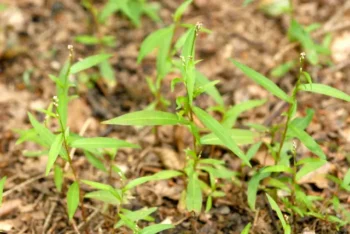
Pygmy Smartweed: A Small but Mighty Wetland Plant
If you’re looking for a petite plant that thrives in soggy spots where other plants fear to tread, pygmy smartweed (Polygonum minus) might catch your eye. This diminutive member of the buckwheat family has carved out its own niche in wet places across North America, though it originally called Europe and Asia home.
Getting to Know Pygmy Smartweed
Don’t let the name fool you—while pygmy smartweed is indeed small in stature, it’s anything but insignificant. This herbaceous annual or perennial forb produces delicate spikes of tiny pink to white flowers that dance above narrow, lance-shaped leaves. You might also encounter it under its scientific synonyms Persicaria minor, as botanists have shuffled it around the family tree a bit over the years.
As its common name suggests, this is a compact plant that won’t overwhelm your garden space. It’s perfectly content to play a supporting role, filling in wet areas where flashier plants might struggle.
Where You’ll Find It Growing
Pygmy smartweed has made itself at home across a surprising range of locations in North America. You can find it established in British Columbia, New Brunswick, Ontario, Quebec, Connecticut, Indiana, Massachusetts, New York, Pennsylvania, Vermont, and Virginia. While it’s not native to these areas, it has naturalized and now reproduces on its own without human intervention.
- Species observed
- No observations
A Plant That Lives for Water
Here’s where pygmy smartweed really shines—it’s what botanists call an obligate wetland species, which is a fancy way of saying it almost always needs its feet wet. This makes it a valuable player in consistently moist to saturated conditions where many other plants would simply give up and rot away.
The plant thrives in USDA hardiness zones 3-9, making it adaptable to a wide range of climates as long as the moisture requirements are met.
Should You Plant Pygmy Smartweed?
The answer depends on what you’re trying to achieve in your garden. Pygmy smartweed works well if you:
- Have a water garden or bog area that needs ground cover
- Want to naturalize wetland areas on your property
- Are creating habitat around pond margins
- Need a low-maintenance plant for consistently wet soil
However, since this is a non-native species, you might want to consider native alternatives first. Native smartweeds and other wetland plants can provide similar benefits while supporting local ecosystems more effectively.
Growing Pygmy Smartweed Successfully
If you decide to grow pygmy smartweed, the good news is that it’s refreshingly low-maintenance once you get the conditions right:
Light Requirements: Full sun to partial shade—it’s quite flexible
Soil Needs: Consistently moist to saturated soils. This plant does not tolerate drought conditions
Planting: Direct seed in spring or fall in wet areas, or start from transplants if available
Care: Minimal care required once established. The main thing to remember is never let it dry out
Propagation: Self-seeds readily in suitable conditions, so you may find new plants appearing naturally
Wildlife and Pollinator Benefits
While pygmy smartweed may be small, its flowers do attract various pollinators, particularly small flies and bees that appreciate the accessible nectar source. The seeds may also provide food for wetland birds, though native alternatives would typically offer more comprehensive wildlife benefits.
The Bottom Line
Pygmy smartweed is a specialized plant for specialized conditions. If you have a wet area that needs coverage and you don’t mind working with a non-native species, it can be a useful addition to your plant palette. Just remember to explore native wetland alternatives first—your local ecosystem will thank you for it!