Pyrethrum Daisy: A Colorful Non-Native Perennial for Your Garden
If you’re looking for a cheerful, daisy-like flower that doubles as an excellent cut flower, the pyrethrum daisy (Tanacetum coccineum) might catch your eye. This non-native perennial brings bright splashes of color to gardens across the United States, though it’s worth understanding both its benefits and limitations before adding it to your landscape.
What Is Pyrethrum Daisy?
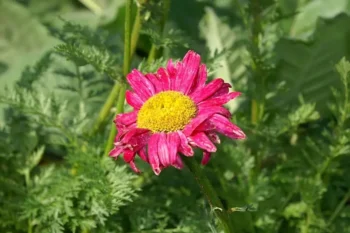
Pyrethrum daisy is a perennial forb—essentially an herbaceous plant without woody stems—that belongs to the aster family. You might also see it listed under its older scientific names, Chrysanthemum coccineum or Chrysanthemum roseum. This plant produces beautiful daisy-like flowers in vibrant shades of red, pink, and white, all centered with bright yellow discs that practically glow in the garden.
The ferny, aromatic foliage adds texture to the garden even when the plant isn’t blooming, and the flowers make exceptional cuts for indoor arrangements.
Where Does It Grow?
Originally native to the Caucasus region and Iran, pyrethrum daisy has established itself in several U.S. states, including Colorado, New York, and Ohio. As a non-native species, it reproduces on its own in the wild and tends to persist without human intervention.
- Species observed
- No observations
Garden Appeal and Design Role
Pyrethrum daisy shines brightest in cottage gardens and perennial borders, where its old-fashioned charm fits right in. The flowers bloom from late spring to early summer, creating a spectacular display that attracts attention from both gardeners and pollinators.
Here’s what makes it appealing:
- Bright, cheerful flowers in multiple color options
- Excellent for cutting gardens
- Attractive, feathery foliage
- Relatively low maintenance once established
- Attracts beneficial insects, bees, and butterflies
Growing Conditions and Care
Pyrethrum daisy is surprisingly adaptable and relatively easy to grow in the right conditions. It thrives in USDA hardiness zones 3-7, making it suitable for cooler climates.
Ideal growing conditions include:
- Full sun exposure
- Well-drained soil (it dislikes wet feet)
- Cool to moderate climates
- Regular watering during establishment, then drought tolerant
Care tips for success:
- Plant in spring after the last frost
- Deadhead spent flowers to encourage continued blooming
- Divide clumps every 3-4 years to maintain vigor
- Allow some flowers to go to seed if you want natural spreading
- Cut back foliage in late fall
Should You Plant It?
While pyrethrum daisy isn’t invasive or noxious, it’s worth considering native alternatives that provide similar benefits while supporting local ecosystems more effectively. As a non-native species, it may not offer the same level of support to native wildlife and pollinators as indigenous plants.
If you do choose to grow pyrethrum daisy, it works wonderfully in cutting gardens or cottage-style borders where its old-world charm can shine. Just be mindful that it may self-seed and establish beyond where you originally planted it.
Native Alternatives to Consider
For gardeners interested in supporting native ecosystems, consider these native alternatives that offer similar daisy-like flowers:
- Purple coneflower (Echinacea purpurea)
- Black-eyed Susan (Rudbeckia species)
- New England aster (Symphyotrichum novae-angliae)
- Wild bergamot (Monarda fistulosa)
The Bottom Line
Pyrethrum daisy offers undeniable garden appeal with its bright flowers and easy care requirements. While it’s not native to North America, it’s also not considered problematic in terms of invasiveness. Whether you choose to grow it depends on your gardening philosophy and goals—if you’re focused on supporting native ecosystems, you might skip this one in favor of native alternatives. But if you’re drawn to its cottage garden charm and excellent cutting potential, it can certainly earn its place in the right garden setting.