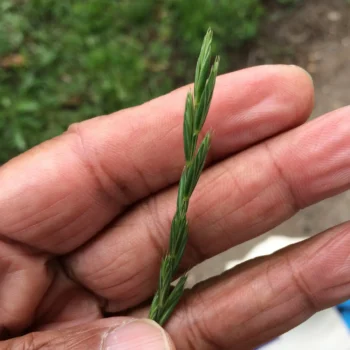
Quackgrass: Why This Persistent Perennial Isn’t Welcome in Most Gardens
If you’ve ever battled a stubborn grass that seems impossible to eliminate from your garden beds, you’ve likely encountered quackgrass (Elymus repens). While some might mistake this perennial for a desirable native grass, quackgrass is actually a non-native species that has earned a reputation as one of the most persistent weeds in North American gardens and landscapes.
What Is Quackgrass?
Quackgrass is a perennial grass that belongs to the wheat family. This European and Asian native has established itself across virtually all of North America, from Alaska to Texas and from coast to coast. You might also encounter this plant under its numerous scientific synonyms, including Agropyron repens or Elytrigia repens, but regardless of the name, the challenges it presents remain the same.
Geographic Distribution and Legal Status
Quackgrass has spread extensively across North America, establishing populations in all Canadian provinces and U.S. states. This widespread distribution tells the story of a highly adaptable species that thrives in diverse climates and conditions.
- Species observed
- No observations
Importantly, quackgrass carries noxious weed status in some regions. Alaska lists it as Prohibited, while New Mexico restricts its seed as Prohibited. These designations reflect the plant’s problematic nature and the difficulties associated with controlling its spread once established.
Why Gardeners Should Avoid Quackgrass
Despite its hardy nature and rapid growth, there are compelling reasons to avoid introducing quackgrass to your landscape:
- Aggressive spreading: Quackgrass spreads rapidly through underground rhizomes, forming dense mats that crowd out desirable plants
- Difficult to control: Its extensive root system makes complete removal extremely challenging
- Allelopathic properties: The plant produces chemicals that can inhibit the growth of nearby plants
- Limited aesthetic value: With inconspicuous yellow flowers and basic green foliage, it offers little ornamental appeal
- Legal restrictions: Its noxious weed status in some areas makes cultivation inadvisable
Plant Characteristics
Quackgrass typically grows to about 2.6 feet tall with a rhizomatous growth form that allows it to spread horizontally underground. The plant produces narrow, medium-textured green leaves and small, inconspicuous yellow flowers during mid-spring. Its rapid growth rate and moderate lifespan contribute to its persistent nature in the landscape.
The plant shows remarkable adaptability to various soil types and growing conditions, thriving in both wetland and upland environments across different regions. This adaptability, combined with its rapid vegetative spread, explains its success as an introduced species.
Growing Conditions and Hardiness
Should you encounter quackgrass (whether intentionally or not), understanding its preferences can help with identification and management:
- Soil: Adapts to coarse, medium, and fine-textured soils
- pH tolerance: Thrives in soils ranging from 5.2 to 7.8
- Moisture: Medium moisture requirements with low drought tolerance
- Sun exposure: Shade intolerant, preferring full sun locations
- Temperature: Extremely cold hardy, tolerating temperatures as low as -43°F
- Hardiness zones: Hardy in USDA zones 3-9
Better Native Alternatives
Instead of quackgrass, consider these native grass alternatives that provide similar coverage without the invasive tendencies:
- Buffalo grass (Bouteloua dactyloides): A native prairie grass perfect for low-maintenance lawns
- Blue grama (Bouteloua gracilis): Drought-tolerant with attractive seed heads
- Canada wildrye (Elymus canadensis): A native relative that supports local ecosystems
- Little bluestem (Schizachyrium scoparium): Offers beautiful fall color and wildlife value
Management and Control
If you’re dealing with existing quackgrass populations, persistence is key to management. The plant’s extensive rhizome system requires repeated cultivation or targeted herbicide applications. Prevention remains the best strategy—avoid introducing soil or plant materials from areas where quackgrass is present.
The Bottom Line
While quackgrass demonstrates impressive hardiness and adaptability, these same traits make it unsuitable for most garden and landscape applications. Its aggressive spreading habit, limited ornamental value, and noxious weed status in some regions make it a plant to avoid rather than cultivate. When planning your landscape, choose native grass alternatives that provide similar benefits without the associated management challenges.
Your garden—and your neighbors—will thank you for making the more sustainable choice of native plants that support local ecosystems rather than disrupt them.