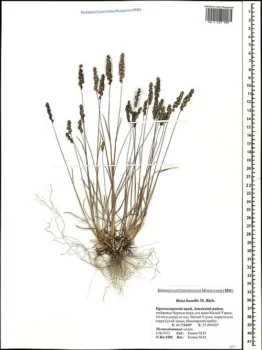
Quakinggrass: A Delicate Mediterranean Beauty for Your Garden
If you’ve ever wondered what those tiny, heart-shaped grass seedheads dancing in the breeze are called, you might be looking at quakinggrass (Briza humilis). This charming little grass brings a touch of Mediterranean magic to gardens with its distinctive trembling seedheads that seem to shimmer with every gentle wind.
What Makes Quakinggrass Special?
Quakinggrass gets its common name from the way its delicate, papery seedheads quiver and shake in even the slightest breeze. These heart-shaped to oval seedheads are what make this grass truly special – they’re like nature’s own wind chimes, creating subtle movement and visual interest in the garden. The plant itself is relatively small and unassuming, but those dancing seedheads are absolutely mesmerizing.
Where Does Quakinggrass Come From?
This petite grass calls the Mediterranean region home, naturally occurring across parts of Europe, North Africa, and western Asia. It’s perfectly adapted to the warm, dry summers and mild winters typical of Mediterranean climates.
Growing Quakinggrass: The Basics
Quakinggrass is surprisingly easy to grow, especially if you can provide conditions similar to its native Mediterranean habitat:
- Sunlight: Full sun is best – this grass loves to bask in bright light
- Soil: Well-draining soil is crucial; it won’t tolerate waterlogged conditions
- Water: Drought tolerant once established, but appreciates occasional watering during dry spells
- Climate: Thrives in USDA hardiness zones 7-10
Perfect Garden Spots for Quakinggrass
This delicate grass works beautifully in several garden settings:
- Mediterranean gardens: A natural fit alongside lavender, rosemary, and other drought-loving plants
- Rock gardens: Its small stature and low water needs make it perfect for rocky, well-draining spots
- Cottage gardens: Adds whimsical movement among perennials and annuals
- Naturalistic plantings: Creates soft, natural-looking drifts
Planting and Care Tips
The good news is that quakinggrass is fairly low-maintenance:
- Plant seeds in fall or early spring when temperatures are mild
- Scatter seeds directly where you want them to grow – they don’t need deep planting
- Keep soil lightly moist until seedlings establish
- Once established, it’s quite drought tolerant
- This annual grass often self-seeds, so you may find new plants appearing year after year
Wildlife and Pollinator Value
While quakinggrass is wind-pollinated rather than insect-pollinated, it still contributes to garden ecosystems by providing habitat structure and seeds for small birds. However, since it’s not native to North America, it won’t support native insects and wildlife as effectively as indigenous grass species would.
Consider Native Alternatives
If you love the idea of ornamental grasses with interesting seedheads, consider exploring native alternatives that provide similar aesthetic appeal while supporting local ecosystems. Native bunch grasses and sedges can offer beautiful textures and movement while providing crucial habitat for native wildlife and pollinators.
The Bottom Line
Quakinggrass is a charming, low-maintenance annual grass that brings unique movement and texture to gardens. While it’s not native to North America, it’s not considered invasive either, making it a reasonable choice for gardeners who appreciate its distinctive dancing seedheads. Just remember to also incorporate native plants into your landscape to support local wildlife and create a truly sustainable garden ecosystem.
Whether you choose to grow quakinggrass or explore native alternatives, adding ornamental grasses to your garden is a wonderful way to introduce movement, texture, and year-round interest to your outdoor space.