Quandong (Elaeocarpus sphaericus): A Tropical Beauty for Pacific Island Gardens
If you’re gardening in the tropical Pacific and looking for an eye-catching tree that’s both beautiful and relatively easy to care for, you might want to consider the quandong. This striking evergreen has made itself quite at home in places like Guam and Palau, though it’s originally from much farther away.
What Exactly Is a Quandong?
The quandong (Elaeocarpus sphaericus) is a perennial tree that typically grows as a single-trunked specimen reaching heights of 13-16 feet or more. You might also see it listed under its former scientific names, Elaeocarpus angustifolius or Elaeocarpus grandis, but don’t let that confuse you – it’s all the same beautiful tree!
Where Does It Come From?
This tree is actually a world traveler. Originally native to Southeast Asia, Malaysia, and northern Australia, the quandong has established itself as a non-native species that reproduces naturally in parts of the Pacific Basin. Today, you’ll find it growing wild in Guam and Palau, where it’s adapted well to the local climate conditions.
- Species observed
- No observations
Why Gardeners Love (and Sometimes Question) This Tree
The quandong brings some serious aesthetic appeal to any landscape. Here’s what makes it special:
- Glossy, attractive evergreen foliage that stays beautiful year-round
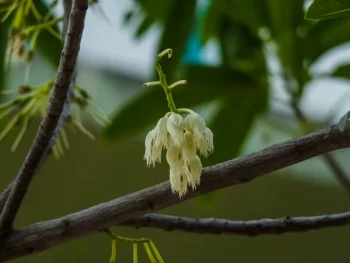
- Delicate white flowers that add a subtle charm
- Bright blue drupes (fruits) that create stunning visual interest
- Manageable size that won’t overwhelm smaller gardens
However, since this isn’t a native species to most Pacific locations where it’s grown, some gardeners prefer to stick with indigenous alternatives that better support local ecosystems.
Perfect Garden Settings
The quandong works wonderfully as:
- A specimen tree in tropical and subtropical gardens
- An attractive shade provider for smaller spaces
- Part of a mixed ornamental planting in botanical gardens
- A focal point in resort or commercial landscaping
Growing Conditions and Care
This tree is surprisingly accommodating, but it does have some preferences. The quandong thrives in USDA hardiness zones 10-12, making it suitable only for truly tropical and subtropical climates.
Ideal growing conditions include:
- Well-drained soil (it doesn’t like to sit in water)
- Partial to full sun exposure
- Regular watering, especially during dry periods
- Protection from strong winds that might damage branches
Planting and Care Tips
Getting your quandong established is relatively straightforward:
- Plant in a location with good drainage – soggy roots spell trouble
- Water regularly but don’t overdo it; the soil should be moist, not waterlogged
- Prune occasionally to maintain shape and remove any dead or damaged branches
- Watch for signs of wind damage and stake young trees if necessary
Wildlife and Pollinator Benefits
The quandong’s small white flowers are quite popular with bees and other small pollinators, making it a decent choice if you’re trying to support local pollinator populations. The colorful fruits may also attract birds, though specific wildlife benefits can vary by location.
Should You Plant One?
That depends on your gardening philosophy and local regulations. Since the quandong isn’t native to most Pacific locations where it’s grown, you might want to consider indigenous alternatives first. Native trees will generally provide better support for local wildlife and fit more naturally into the existing ecosystem.
However, if you’re drawn to this tree’s unique beauty and your local area allows non-native plantings, the quandong can be a lovely addition to the right garden. Just be sure to source your plant responsibly and check with local authorities about any restrictions on non-native species in your area.
Whether you choose the quandong or opt for a native alternative, the most important thing is creating a garden that brings you joy while being mindful of your local environment. Happy gardening!