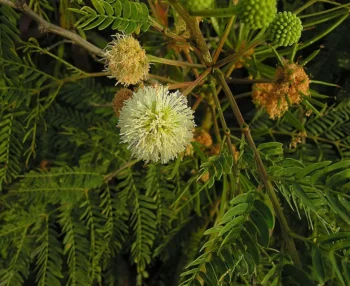
Quebracho (Lysiloma divaricatum): A Graceful Drought-Tolerant Tree for Warm Climate Gardens
If you’re searching for a elegant tree that can handle heat and drought while adding tropical charm to your landscape, quebracho might just be the perfect candidate. This lesser-known gem from Mexico and Central America brings delicate beauty and practical benefits to gardens in warm climates.
What is Quebracho?
Quebracho (Lysiloma divaricatum) is a small to medium-sized tree that belongs to the legume family. Don’t let the scientific name intimidate you – this tree is surprisingly easy-going once you understand its needs. You might also encounter it listed under its botanical synonym, Lysiloma microphyllum, in some older gardening references.
Where Does Quebracho Come From?
This charming tree calls Mexico, Central America, and parts of the Caribbean home. In its native habitat, quebracho thrives in warm, dry conditions, which gives us valuable clues about how to grow it successfully in our own gardens.
Why Consider Quebracho for Your Garden?
Quebracho offers several appealing qualities that make it worth considering:
- Delicate beauty: The tree produces feathery, compound leaves that create a soft, filtered canopy
- Charming flowers: Small white or cream-colored blooms appear in round, fluffy clusters
- Drought tolerance: Once established, it requires minimal watering
- Pollinator-friendly: The flowers attract bees and other beneficial insects
- Low maintenance: Requires minimal pruning and care
Growing Conditions and Care
Quebracho is relatively straightforward to grow if you can provide the right conditions:
Climate Requirements
This tree thrives in USDA hardiness zones 9-11, making it suitable for frost-free or nearly frost-free areas. If you live in a cooler climate, quebracho won’t be happy outdoors year-round.
Sun and Soil Needs
Like many drought-tolerant plants, quebracho loves full sun and well-draining soil. Heavy, waterlogged soils are its enemy, so ensure good drainage before planting. Sandy or rocky soils that drain quickly work particularly well.
Watering Wisdom
Here’s where quebracho really shines – its drought tolerance. Water regularly during the first year to help establish the root system, then you can gradually reduce watering. Mature trees can handle extended dry periods with grace.
Planting and Establishment Tips
For the best success with quebracho:
- Plant in spring when temperatures are consistently warm
- Choose a location with full sun exposure
- Improve drainage if your soil tends to stay wet
- Water deeply but infrequently during the establishment period
- Mulch around the base to retain moisture and suppress weeds
Landscape Design Ideas
Quebracho works beautifully in several landscape styles:
- Xerophytic gardens: Perfect companion for other drought-tolerant plants
- Tropical landscapes: Adds authentic tropical character
- Specimen planting: Makes an attractive focal point
- Shade provider: Creates filtered shade for outdoor living areas
A Word About Native Alternatives
While quebracho isn’t invasive and can be a lovely addition to appropriate climates, consider exploring native trees in your area first. Native plants typically require less water and care while providing maximum benefits to local wildlife. Check with your local extension office or native plant society for recommendations specific to your region.
The Bottom Line
Quebracho offers an appealing combination of beauty, drought tolerance, and low maintenance for gardeners in warm climates. If you live in zones 9-11 and have a sunny spot with good drainage, this graceful tree could be a wonderful addition to your landscape. Just remember to water it well during establishment, then step back and enjoy its effortless charm for years to come.