Queen of the Night: The Spectacular Night-Blooming Cactus
If you’re looking for a plant that will literally stop traffic once a year, meet the Queen of the Night (Selenicereus grandiflorus). This dramatic cactus puts on one of nature’s most exclusive shows – a single night of breathtaking blooms that appear just once annually. But before you fall head over heels for this botanical diva, let’s explore what makes this plant tick and whether it deserves a spot in your garden.
What Exactly Is Queen of the Night?
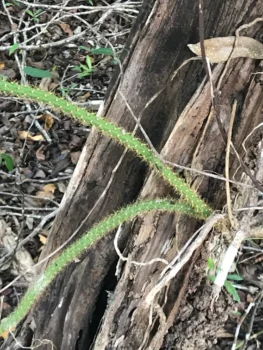
Queen of the Night is a perennial climbing cactus that goes by the botanical name Selenicereus grandiflorus. You might also see it listed under its synonyms Cereus grandiflorus or Selenicereus macdonaldiae in older gardening references. This woody shrub typically grows as a multi-stemmed plant, usually staying under 13-16 feet in height, though it can surprise you and grow taller under the right conditions.
What sets this cactus apart from your typical prickly pear is its spectacular flowering display. Once a year, usually on a warm summer night, the plant produces enormous white flowers that can reach up to a foot across. These blooms open after dark and close by morning, earning the plant its royal nickname.
Where Does It Come From?
Here’s where things get interesting from a native gardening perspective. Queen of the Night isn’t actually native to the United States. It’s originally from the Caribbean and Central America, but it has established itself and reproduces on its own in Hawaii, Puerto Rico, and the U.S. Virgin Islands.
- Species observed
- No observations
While it’s thriving in these tropical locations, it’s important to note that this makes it a non-native species in U.S. territories. It’s not currently listed as invasive or problematic, but as responsible gardeners, we should always consider native alternatives first.
The Spectacular Show (And Why You Might Want One)
Let’s be honest – the main reason people grow Queen of the Night is for that once-a-year floral spectacular. The massive white blooms are genuinely breathtaking and create an unforgettable experience. Here’s what makes it appealing:
- Dramatic annual blooming event that becomes a neighborhood attraction
- Large, fragrant white flowers that can reach 12 inches across
- Night-blooming nature makes it perfect for evening gardens
- Attracts fascinating nocturnal pollinators like bats and night-flying moths
- Drought-tolerant once established
- Unique conversation piece and specimen plant
Growing Conditions and Care
If you live in USDA hardiness zones 10-12 and want to try growing Queen of the Night, here’s what you need to know:
Location: This cactus prefers partial shade to full sun and needs protection from frost. It’s perfect for tropical and subtropical gardens, xerophytic landscapes, or large containers that can be moved indoors in cooler climates.
Soil: Well-draining soil is absolutely essential. Like most cacti, Queen of the Night will rot in waterlogged conditions. A cactus potting mix or sandy, well-amended garden soil works best.
Water: Once established, this plant is quite drought-tolerant. Water moderately during the growing season and reduce watering in winter. Always let the soil dry out between waterings.
Support: Since it’s a climbing cactus, you’ll need to provide some kind of support structure like a trellis, fence, or large tree for it to climb.
The Reality Check
Before you rush out to buy one, consider these potential drawbacks:
- It only blooms once per year (and you might miss it!)
- The plant can look somewhat scraggly the other 364 days of the year
- It requires warm temperatures year-round
- As a non-native species, it doesn’t support local ecosystems the way native plants do
Native Alternatives to Consider
While Queen of the Night certainly has its charm, consider these native alternatives that provide similar benefits:
- Native night-blooming cereus species in your region
- Native flowering vines that attract local pollinators
- Indigenous cacti and succulents that support local wildlife
Check with your local native plant society or extension office for recommendations specific to your area.
The Bottom Line
Queen of the Night is undeniably spectacular and can be a fascinating addition to the right garden. If you live in zones 10-12 and want a unique conversation piece that puts on an annual show, this might be the plant for you. Just remember that as a non-native species, it won’t provide the same ecological benefits as indigenous plants.
Whether you choose to grow Queen of the Night or opt for native alternatives, the most important thing is creating a garden that brings you joy while supporting your local ecosystem. Sometimes that means making room for a few well-behaved non-natives alongside a foundation of native plants – and that’s perfectly okay!