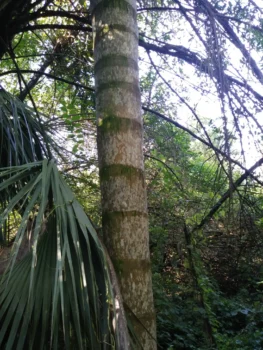
Queen Palm: A Graceful Non-Native Addition to Warm Climate Gardens
If you’ve ever dreamed of bringing a touch of tropical elegance to your landscape, the queen palm (Syagrus romanzoffiana) might have caught your eye. This stately palm tree, with its feathery fronds and smooth trunk, has become a popular choice for gardeners in warm climates. But before you rush to plant one, let’s dive into what makes this South American native tick and whether it’s the right choice for your garden.
What Exactly Is a Queen Palm?
The queen palm is a perennial tree that can grow quite impressive in size – we’re talking 40 to 50 feet tall with a spread of 15 to 25 feet when fully mature. This isn’t your average houseplant! With its single, smooth gray trunk and crown of gracefully arching, feather-like fronds, it’s easy to see why this palm has earned its regal common name.
Originally hailing from South America (think southern Brazil, Paraguay, Uruguay, and northern Argentina), this palm has made itself at home in warmer parts of the United States, particularly Florida, where it reproduces on its own in the wild.
Geographic Distribution and Naturalization
In the United States, queen palms have established populations primarily in Florida. As a non-native species that reproduces spontaneously without human intervention, it has essentially made itself at home in the Sunshine State’s climate.
- Species observed
- No observations
The Good, The Bad, and The Beautiful
Let’s be honest about what you’re getting into with a queen palm:
The Appeal
- Stunning architectural presence as a specimen tree
- Fast growth rate compared to many other palms
- Produces attractive orange dates that add seasonal interest
- Works beautifully in tropical, Mediterranean, and contemporary landscape designs
- Excellent as a focal point or along driveways and streets
The Considerations
- As a non-native species, it doesn’t provide the same ecological benefits as native alternatives
- Can be somewhat high-maintenance, requiring regular fertilization
- Sensitive to nutrient deficiencies, particularly potassium and magnesium
- Not cold-hardy – suitable only for USDA zones 9b through 11
Growing Conditions and Care
Queen palms are somewhat particular about their living conditions. Here’s what they need to thrive:
Location and Light
These palms prefer full sun to partial shade. They’ll tolerate some shade when young, but for best growth and form, give them plenty of sunshine.
Soil Requirements
Well-draining soil is non-negotiable. Queen palms despise wet feet and will quickly develop root rot in soggy conditions. They adapt to various soil types but prefer slightly acidic to neutral pH.
Water Needs
Regular watering is important, especially during the first few years as the tree establishes. However, avoid overwatering – the soil should dry out slightly between waterings.
Climate Considerations
These palms are only hardy in USDA zones 9b-11. They can handle brief dips to around 25°F, but prolonged cold will damage or kill them. If you’re on the edge of their hardiness zone, plant in a protected location.
Planting and Maintenance Tips
Ready to take the plunge? Here’s how to give your queen palm the best start:
- Plant in spring when temperatures are consistently warm
- Dig a hole only as deep as the root ball but twice as wide
- Backfill with native soil – no need for amendments
- Water deeply but infrequently once established
- Fertilize regularly with palm-specific fertilizer containing micronutrients
- Remove only completely brown fronds – never cut green ones
- Protect from strong winds when young
Wildlife and Pollinator Value
While queen palms do produce flowers and fruit, their wildlife value is limited compared to native species. The small flowers are primarily wind-pollinated, and while the orange dates may attract some birds and small mammals, this palm doesn’t support the same level of biodiversity as native alternatives.
Consider Native Alternatives
Before settling on a queen palm, consider exploring native palm options for your region. In Florida, for example, native species like the sabal palm or saw palmetto provide similar aesthetic appeal while supporting local ecosystems and requiring less maintenance once established.
The Bottom Line
Queen palms can be stunning additions to warm climate gardens, offering tropical elegance and relatively fast growth. However, as gardeners become more conscious of ecological impact, it’s worth weighing the benefits of this non-native species against native alternatives that support local wildlife and require fewer resources to maintain.
If you do choose to plant a queen palm, commit to proper care and maintenance – these trees reward attentive gardeners with years of tropical beauty. Just remember that with great palms comes great responsibility!