Queen’s-Wreath: A Tropical Flowering Vine for Warm Climate Gardens
If you’re looking for a show-stopping flowering vine to add drama to your tropical or subtropical garden, queen’s-wreath (Petrea volubilis) might catch your eye. This vigorous perennial climber produces cascades of purple-blue flowers that earned it the royal moniker, though it’s also known by the synonym Petrea kohautiana.
Where Does Queen’s-Wreath Come From?
Originally hailing from Central America and northern South America, queen’s-wreath has found its way into gardens across warmer regions of the United States. This non-native species has established itself in Florida, Hawaii, Puerto Rico, and the U.S. Virgin Islands, where it reproduces naturally in the wild without human assistance.
- Species observed
- No observations
What Makes Queen’s-Wreath Special?
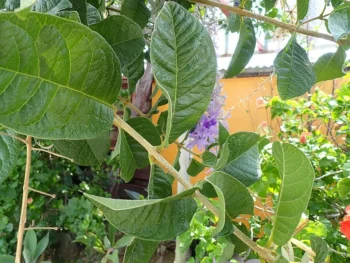
Queen’s-wreath is a multi-stemmed woody shrub that typically grows as a climbing or sprawling vine, usually reaching heights of 13 to 16 feet, though it can grow taller under ideal conditions. The real showstopper is its flowers – drooping clusters of tubular purple-blue blooms that create a waterfall effect when the vine is in full flower. The rough-textured, sandpaper-like leaves provide an interesting contrast to the delicate flowers.
Garden Role and Design Uses
This vigorous grower works beautifully as:
- A covering for arbors and pergolas
- A fence or wall climber
- A dramatic focal point in tropical landscape designs
- A screen for privacy when grown on sturdy supports
Queen’s-wreath is best suited for ornamental tropical and subtropical gardens where its bold flowering display can be fully appreciated.
Growing Conditions and Care
If you’re gardening in USDA hardiness zones 9b through 11, queen’s-wreath can thrive in your landscape. Here’s what it needs to flourish:
- Light: Full sun to partial shade (blooms best with plenty of sunlight)
- Soil: Well-draining soil that doesn’t stay waterlogged
- Water: Regular watering, especially during dry periods
- Support: Sturdy structures like trellises, fences, or arbors
Planting and Maintenance Tips
Queen’s-wreath is relatively easy to grow once established, but here are some key care points:
- Provide strong support structures – this vine can get heavy when mature
- Prune regularly to control size and shape
- Protect from frost in cooler parts of its range
- Be prepared for vigorous growth – it’s an enthusiastic grower!
Wildlife and Pollinator Benefits
The tubular flowers of queen’s-wreath attract butterflies and bees, making it a valuable addition for pollinator-friendly gardens in tropical regions.
Should You Plant Queen’s-Wreath?
While queen’s-wreath can be a stunning addition to warm climate gardens, it’s worth considering that as a non-native species, it doesn’t provide the same ecological benefits as plants native to your region. If you’re looking for native alternatives that offer similar ornamental value, consider researching flowering vines native to your specific area.
That said, queen’s-wreath isn’t currently listed as invasive or problematic, so if you’re drawn to its dramatic flowering display and can provide the warm climate it needs, it can be a beautiful choice for your garden. Just be prepared to give it the space and support it needs to show off those gorgeous cascading flowers!