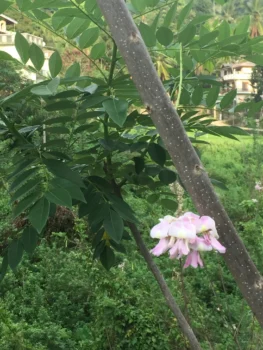
Quickstick Tree: A Fast-Growing Option for Warm Climate Gardens
If you’re looking for a tree that lives up to its name, meet the quickstick (Gliricidia sepium). This fast-growing perennial tree earns its moniker by being remarkably easy to propagate and establish – literally as quick as sticking a cutting in the ground! But before you rush to plant one, let’s explore what makes this tree tick and whether it’s right for your garden.
What Is Quickstick?
Quickstick is a medium to large tree that can reach impressive heights of up to 65 feet at maturity, though it typically stays smaller in most garden settings. With its single trunk and rounded canopy, it creates an attractive shade tree with fine-textured, green foliage that remains on the tree year-round in warm climates.
One of quickstick’s most striking features is its blooming habit. The tree produces conspicuous green flowers (though some varieties have pink or white blooms) during late winter, often appearing before the leaves fully emerge. These are followed by black seeds that add another layer of visual interest.
Native Status and Distribution
Here’s something important to know: quickstick isn’t native to the United States. Originally from Central America and northern South America, this tree has been introduced to several U.S. territories and states. You’ll find it growing in Florida, Guam, Palau, Puerto Rico, and the Virgin Islands, where it reproduces spontaneously and persists in the wild.
- Species observed
- No observations
Growing Conditions and Climate Needs
Quickstick is definitely a warm-weather tree. It requires a frost-free environment year-round, making it suitable only for USDA hardiness zones 10-12. The tree can tolerate minimum temperatures down to about 17°F, but don’t expect it to bounce back from hard freezes.
When it comes to soil, quickstick is refreshingly adaptable:
- Grows in coarse, medium, or fine-textured soils
- Prefers pH between 5.0 and 7.0
- Has low fertility requirements
- Shows medium drought tolerance once established
- Tolerates moderate salinity levels
The tree prefers full sun and won’t tolerate shade well. It typically grows in upland areas rather than wetlands, particularly in the Caribbean region where it almost never occurs in wet conditions.
Growth Habits and Landscape Use
With a rapid growth rate and the ability to reach 65 feet tall, quickstick makes an impressive statement in the landscape. Its rounded shape and moderate foliage density provide good shade while still allowing some light to filter through.
This tree works well as:
- A specimen shade tree
- Part of a windbreak or screen
- A fast-growing privacy barrier
- An ornamental focal point during blooming season
Quickstick has high nitrogen-fixing capabilities, which means it can actually improve soil fertility – a bonus for nearby plants!
Planting and Care Tips
One of quickstick’s claims to fame is how easy it is to propagate. The tree can be grown from cuttings (hence the quickstick name) or purchased in containers. Here are some planting and care guidelines:
- Plant spacing: 300-700 trees per acre for mass plantings
- Ensure excellent drainage – the tree doesn’t tolerate waterlogged conditions
- Provide full sun exposure
- Water moderately; avoid overwatering once established
- Prune as needed – the tree tolerates heavy pruning well
- Fertilize minimally; this tree thrives on low fertility
Pollinator and Wildlife Considerations
Quickstick’s conspicuous flowers do attract pollinators during their late winter blooming period. The seeds provide some wildlife value, though specific benefits aren’t well-documented for North American wildlife species.
Should You Plant Quickstick?
While quickstick isn’t invasive or noxious, it’s important to remember that it’s not native to the continental United States. If you’re in zones 10-12 and looking for a fast-growing shade tree, quickstick can certainly fill that role effectively.
However, consider exploring native alternatives first, such as:
- Live oak (Quercus virginiana) for long-term shade
- Southern magnolia (Magnolia grandiflora) for evergreen coverage
- Bald cypress (Taxodium distichum) for wet areas
If you do choose quickstick, you’ll get a low-maintenance, fast-growing tree that provides quick shade and interesting seasonal blooms. Just remember to source your plants responsibly and consider the value of supporting native ecosystems with indigenous species whenever possible.
The choice is yours – sometimes the quickest solution isn’t always the most ecologically beneficial one, but quickstick certainly lives up to its promise of rapid results!