The Quinine Tree: A Medicinal Marvel for Your Tropical Garden
Meet the quinine tree (Cinchona pubescens), a fascinating evergreen that carries centuries of medical history in its bark. This South American native has found its way into tropical gardens around the world, bringing both beauty and intrigue to landscapes in warmer climates.
What Makes the Quinine Tree Special?
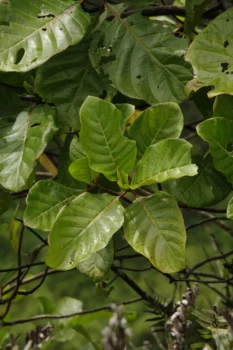
Also known by its botanical name Cinchona pubescens, this remarkable tree is famous for producing quinine – the compound that revolutionized malaria treatment. But beyond its historical significance, it’s quite the looker too! Picture glossy, oval leaves that catch the light beautifully, paired with clusters of fragrant white to pink tubular flowers that seem to glow against the dark foliage.
As a perennial tree, the quinine tree typically grows as a single-trunked specimen reaching heights of 13-16 feet or more, though it can sometimes develop multiple stems depending on growing conditions.
Where You’ll Find It Growing
Originally from the misty cloud forests of the Andes in South America, the quinine tree has established itself in several Pacific locations including Hawaii, Guam, and Palau. It’s considered a non-native species that reproduces naturally in these areas without human intervention.
- Species observed
- No observations
Garden Appeal and Landscape Role
The quinine tree makes an excellent specimen plant for those seeking something with both beauty and conversation-starting potential. Its elegant form and interesting backstory make it perfect for:
- Botanical or collector’s gardens
- Tropical and subtropical landscapes
- Shade tree applications
- Educational gardens focusing on medicinal plants
Growing Conditions and Care
If you’re thinking about adding a quinine tree to your garden, here’s what it needs to thrive:
Climate Requirements: This tree prefers USDA hardiness zones 9b through 11, so it’s definitely a warm-climate plant. It loves the cool, humid conditions reminiscent of its cloud forest origins.
Light and Soil: Partial shade to full sun works well, and it appreciates well-draining soil that stays consistently moist. Think of it as preferring conditions that are neither bone dry nor waterlogged.
Care Tips:
- Keep soil consistently moist but not soggy
- Protect from strong winds that might damage branches
- Apply organic mulch around the base to retain moisture
- Allow space for mature size – these trees need room to spread
Pollinator and Wildlife Benefits
The quinine tree’s fragrant flowers are more than just pretty – they’re magnets for butterflies, moths, and some bird species. If you’re looking to support local pollinators, this tree can definitely contribute to your garden’s ecosystem.
Things to Consider
While the quinine tree can be a beautiful addition to appropriate climates, remember that it’s not native to most areas where it’s commonly grown. If you’re passionate about native gardening, you might want to explore indigenous alternatives that could provide similar aesthetic appeal while supporting local ecosystems more directly.
For Pacific Island gardeners, consider researching native trees that might offer comparable beauty and ecological benefits. Your local extension office or native plant society can point you toward species that naturally belong in your specific region.
The Bottom Line
The quinine tree offers a unique combination of historical significance, attractive appearance, and tropical garden appeal. If you have the right climate and growing conditions, it can be a rewarding addition to your landscape. Just remember to source plants responsibly and consider how it fits into your overall garden philosophy, especially regarding native plant preferences.
Whether you choose to grow it for its beauty, its fascinating backstory, or its pollinator appeal, the quinine tree is certainly a conversation starter that brings a touch of medicinal plant history right into your backyard!