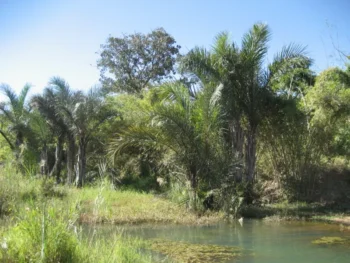
Raffia Palm: The Dramatic Giant That Commands Attention
If you’ve ever dreamed of creating your own slice of tropical paradise, the raffia palm (Raphia farinifera) might just be the showstopper you’re looking for. This magnificent palm doesn’t just grow—it makes a statement with some of the largest leaves in the plant kingdom. But before you start planning where to place this botanical giant, let’s dive into what makes this palm so special and whether it’s the right fit for your garden.
What Is a Raffia Palm?
The raffia palm, scientifically known as Raphia farinifera, is a true giant among palms. Originally hailing from the tropical regions of West and Central Africa, this remarkable plant has captured the imagination of gardeners worldwide with its absolutely massive fronds that can stretch an impressive 15 to 25 feet in length. You might also encounter it under its synonym, Raphia pedunculata, but it’s the same spectacular plant.
Native Range and Distribution
This palm calls tropical Africa home, thriving naturally in the humid, warm climates of West and Central African regions. In its native habitat, it often grows in areas with consistent moisture and filtered sunlight beneath the forest canopy.
Why Consider (or Reconsider) the Raffia Palm
Let’s be honest—the raffia palm isn’t for everyone or every garden. Here’s what you need to know:
The Good
- Dramatic visual impact: Those enormous fronds create an instant tropical vibe that’s hard to match
- Unique specimen plant: Perfect as a focal point in large landscapes
- Pollinator friendly: Produces large flowering structures that attract various insects
- Conversation starter: Your neighbors will definitely be asking about this one
The Challenging
- Space requirements: This isn’t a plant for small gardens—it needs serious room to spread
- Climate limitations: Only thrives in USDA zones 10b-11
- High maintenance: Requires consistent care and specific conditions
- Not native: While not invasive, consider native palm alternatives for ecological benefits
Growing Conditions
Think tropical rainforest, and you’ll understand what the raffia palm craves:
- Temperature: Warm year-round (USDA zones 10b-11 only)
- Humidity: High humidity is essential—this palm will struggle in dry conditions
- Light: Partial shade to filtered sunlight works best
- Soil: Rich, consistently moist but well-draining soil
- Water: Regular watering to maintain soil moisture
Planting and Care Tips
Successfully growing a raffia palm requires attention to detail:
- Location selection: Choose a spot protected from strong winds—those massive fronds can be damaged easily
- Soil preparation: Ensure excellent drainage while maintaining moisture retention
- Watering routine: Keep soil consistently moist but never waterlogged
- Cold protection: In borderline zones, be prepared to protect from any temperature drops
- Greenhouse growing: In cooler climates, consider greenhouse cultivation
Landscape Design Ideas
The raffia palm works best in:
- Large tropical or subtropical gardens
- Botanical garden settings
- Resort-style landscaping
- As a dramatic specimen plant with plenty of space
- Poolside landscapes (with adequate protection from chlorine splash)
Native Alternatives to Consider
While the raffia palm certainly has its appeal, consider these native palm options that provide similar tropical vibes while supporting local ecosystems:
- Sabal palmetto (Cabbage Palm) for southeastern states
- Washingtonia filifera (California Fan Palm) for southwestern regions
- Serenoa repens (Saw Palmetto) for Florida landscapes
The Bottom Line
The raffia palm is undeniably spectacular, but it’s a plant that demands respect—and the right growing conditions. If you live in the warm, humid climate it craves and have the space to accommodate its impressive size, it can be a stunning addition to your tropical landscape. However, if you’re looking for lower-maintenance options or want to support native wildlife, exploring indigenous palm species might be the better route.
Whatever you decide, remember that successful gardening is about matching the right plant to the right place and gardener. The raffia palm might be your perfect tropical dream, or it might be the inspiration to explore equally beautiful native alternatives that are better suited to your local ecosystem.