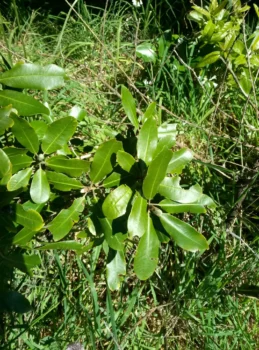
Ralph’s Desertwillow: A Garden Mystery Worth Solving
If you’ve stumbled across the name Ralph’s desertwillow or its scientific name Pittosporum ralphii in your plant research, you’ve encountered quite the botanical puzzle! This mysterious plant has left many gardeners scratching their heads, and for good reason.
The Name Game: What’s in a Name?
Here’s where things get interesting (and a bit confusing). The combination of Pittosporum with desertwillow creates a bit of botanical head-scratching. Pittosporums are typically evergreen shrubs or small trees from the Pittosporum family, while desert willows (Chilopsis linearis) are completely different plants altogether. It’s like calling a cat a fluffy goldfish – the pieces just don’t quite fit together!
The Mystery of Pittosporum ralphii
Unfortunately, reliable information about Pittosporum ralphii is harder to find than a needle in a haystack. This could mean several things:
- It might be an extremely rare or newly described species
- It could be a regional or local name that hasn’t gained widespread recognition
- There might be some confusion with plant identification or naming
- It may be a cultivar or variety that’s not well-documented
What This Means for Your Garden
Without clear information about this plant’s native status, growing requirements, or even its exact identity, it’s difficult to recommend whether you should grow it. The lack of available data means we can’t tell you about its hardiness zones, preferred growing conditions, or potential benefits to wildlife and pollinators.
Better Safe Than Sorry: Alternative Options
If you’re looking for a Pittosporum species for your garden, consider these well-documented alternatives:
- Pittosporum tobira (Japanese Mock Orange) – Hardy and fragrant
- Pittosporum crassifolium (Thick-leaved Pittosporum) – Great for coastal areas
- Pittosporum undulatum (Sweet Pittosporum) – Fast-growing with sweet-scented flowers
Or, if you were actually looking for a desert willow, Chilopsis linearis is a beautiful native option for arid climates with lovely orchid-like flowers.
The Bottom Line
Sometimes in gardening, we encounter plants that remain mysterious despite our best detective work. Pittosporum ralphii appears to be one of those enigmatic species. Until more reliable information becomes available, it might be best to stick with well-documented plant choices that you know will thrive in your garden.
If you have any additional information about this plant or have grown it successfully, we’d love to hear from you! Gardening is all about sharing knowledge and solving these green mysteries together.