Rampion Bellflower: A Beautiful But Problematic Garden Guest
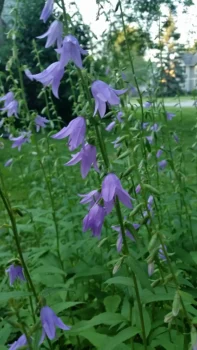
If you’ve ever admired those tall spikes of purple-blue bell-shaped flowers nodding gracefully in someone’s garden, you might have been looking at rampion bellflower (Campanula rapunculoides). While undeniably pretty, this European native has earned quite the reputation as a garden troublemaker across North America.
What is Rampion Bellflower?
Rampion bellflower is a perennial forb – essentially a non-woody flowering plant that comes back year after year. This hardy plant produces distinctive bell-shaped flowers that dangle from tall, one-sided flower spikes, typically blooming from summer into early fall. The flowers are usually a lovely purple-blue color, though they can sometimes appear more pinkish.
Where Does It Grow?
Originally from Europe and western Asia, rampion bellflower has made itself quite at home across most of North America. You can find this introduced species thriving in nearly every U.S. state and Canadian province, from Alaska down to Texas and from coast to coast. It’s particularly well-established in the northern states and Canada.
- Species observed
- No observations
The Problem: It’s Invasive
Here’s where things get tricky. While rampion bellflower might look charming, it’s classified as an invasive species in Wisconsin and is considered problematic in many other regions. This plant spreads aggressively through underground rhizomes (root-like stems) and can quickly take over garden spaces and natural areas.
Why you shouldn’t plant it:
- Extremely difficult to remove once established
- Spreads rapidly through underground runners
- Can outcompete native plants
- Classified as Restricted in Wisconsin
- Reproduces without human assistance and persists in wild areas
Native Alternatives to Consider
Instead of rampion bellflower, consider these beautiful native alternatives that provide similar aesthetic appeal without the invasive behavior:
- Wild bergamot (Monarda fistulosa) – Purple flowers, excellent for pollinators
- New England aster (Symphyotrichum novae-angliae) – Fall-blooming purple flowers
- Wild lupine (Lupinus perennis) – Tall spikes of blue-purple flowers
- Harebell (Campanula rotundifolia) – A native bellflower alternative
If You Already Have It
If rampion bellflower has already established itself in your garden, removal can be challenging but not impossible. You’ll need to dig up all the underground rhizomes, which can extend quite far from the main plant. This typically requires multiple attempts over several seasons.
Be sure to dispose of any plant material in municipal waste – never compost it or leave it lying around, as it can easily re-establish from plant fragments.
Growing Conditions (For Identification Purposes)
Understanding where rampion bellflower thrives can help you identify and manage it:
- Hardiness: USDA zones 3-9
- Light: Full sun to partial shade
- Soil: Adaptable to various soil types
- Water: Drought tolerant once established
- Height: Can reach 2-4 feet tall
The Bottom Line
While rampion bellflower certainly has aesthetic appeal and does attract pollinators, its aggressive spreading nature and invasive status make it a poor choice for responsible gardening. Instead, opt for native alternatives that provide similar beauty without the ecological concerns. Your local native plants will thank you, and you’ll still have a gorgeous garden that supports local wildlife!
Remember, the best gardens work with nature, not against it. By choosing native plants, you’re creating habitat for local wildlife while avoiding the headaches that come with managing invasive species.