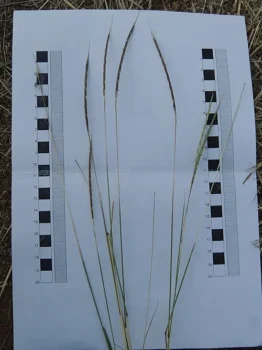
Rattail Grass: A Delicate Ornamental Grass for Warm Climate Gardens
If you’re looking to add some wispy, elegant texture to your warm-climate garden, rattail grass (Sehima nervosum) might just catch your eye. This delicate ornamental grass brings a soft, naturalistic feel to landscapes with its fine foliage and feathery seed heads that dance gracefully in the breeze.
What is Rattail Grass?
Rattail grass is a perennial grass native to tropical and subtropical regions of Asia, particularly India and Southeast Asia. Also known by its botanical synonym Sehima nervosa, this member of the grass family (Poaceae) gets its common name from its slender, tail-like seed heads that emerge above the foliage.
Native Status and Geographic Distribution
This grass hails from the warm regions of Asia and is not native to North America. In its native range, it grows naturally in grasslands and open areas across tropical and subtropical zones.
Why Grow Rattail Grass?
Rattail grass offers several appealing qualities for gardeners in suitable climates:
- Fine-textured foliage creates an airy, delicate appearance
- Feathery seed heads add movement and visual interest
- Drought tolerant once established
- Low maintenance requirements
- Suitable for naturalized plantings and erosion control
Garden Design and Landscape Use
This graceful grass works beautifully as an accent plant in several garden styles:
- Prairie and meadow gardens for naturalistic appeal
- Xerophytic landscapes where drought tolerance is valued
- Mixed borders for textural contrast
- Erosion control on slopes and disturbed areas
Growing Conditions and Care
Rattail grass thrives in warm climates and is quite accommodating once you understand its preferences:
- Sunlight: Full sun exposure
- Soil: Well-drained soils; adaptable to various soil types
- Water: Drought tolerant once established, though regular watering helps during establishment
- Climate: Best suited for USDA hardiness zones 9-11
Planting and Maintenance Tips
Getting started with rattail grass is relatively straightforward:
- Propagate from seed in spring when soil temperatures warm
- Space plants appropriately to allow for natural spreading
- Water regularly during the first growing season to establish roots
- Cut back old growth in late winter before new growth emerges
- Minimal fertilization needed; too much can cause excessive growth
Wildlife and Pollinator Value
As a wind-pollinated grass, rattail grass doesn’t offer significant direct benefits to pollinators like bees and butterflies. However, it does provide structural habitat and nesting material for small birds and beneficial insects.
Consider Native Alternatives
While rattail grass can be an attractive addition to warm-climate gardens, consider exploring native grass alternatives that provide similar aesthetic appeal while supporting local ecosystems. Native grasses like little bluestem, buffalo grass, or regional prairie grasses often offer better wildlife value and are naturally adapted to local growing conditions.
The Bottom Line
Rattail grass can be a lovely ornamental choice for gardeners in zones 9-11 who appreciate its delicate texture and low-maintenance nature. Just remember that supporting native plant communities is always beneficial for local wildlife and ecosystem health. If you do choose to grow this non-native grass, pair it with native species to create a more balanced and ecologically valuable landscape.