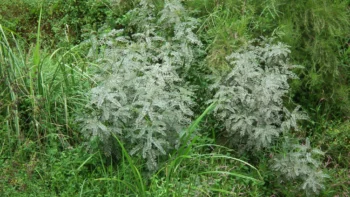
Rattlebox (Sesbania punicea): A Beautiful but Problematic Plant You Should Avoid
If you’ve ever heard a mysterious rattling sound coming from near a wetland area, you might have encountered rattlebox – a plant that’s as attention-grabbing as it is troublesome. While Sesbania punicea certainly knows how to make an entrance with its showy red-orange flowers, this South American native has become an unwelcome guest in many parts of the United States.
What Is Rattlebox?
Rattlebox is a perennial forb herb that gets its common name from the distinctive papery seed pods that literally rattle when they mature and dry out. Scientifically known as Sesbania punicea, this plant may also appear in older references under synonyms like Daubentonia punicea or Sesbania tripetii.
Originally from South America (specifically Argentina, Uruguay, and southern Brazil), this non-native species has established itself across the southeastern and southwestern United States. As a forb herb, it lacks significant woody tissue but can grow quite large and shrub-like, making it a dominant presence wherever it takes hold.
Where You’ll Find Rattlebox
Currently, rattlebox has spread across eleven states: Alabama, Arkansas, California, Florida, Georgia, Louisiana, Mississippi, North Carolina, South Carolina, Texas, and Virginia. The plant reproduces spontaneously in the wild without any human assistance and tends to persist once established.
- Species observed
- No observations
Why Rattlebox Is a Problem
Here’s where things get serious: rattlebox is classified as an invasive species. In Alabama, it holds a Category 2 invasive status, meaning it poses a significant threat to native ecosystems. This fast-growing plant aggressively colonizes wetland areas, outcompeting native species that wildlife and pollinators depend on.
The plant’s success as an invader comes from several factors:
- Rapid growth rate and ability to quickly establish large populations
- Tolerance for flooding and various wetland conditions
- Production of numerous seeds in those characteristic rattling pods
- Ability to thrive in disturbed areas
Recognizing Rattlebox
Rattlebox is actually quite attractive, which is part of what makes it problematic – people sometimes plant it intentionally for its ornamental value. The plant produces clusters of bright red-orange flowers that are genuinely eye-catching and do attract pollinators like bees and butterflies. However, these short-term benefits come at a significant ecological cost.
The plant thrives in wetland environments, with a wetland status that varies by region. In most areas, it’s classified as Facultative or Facultative Wetland, meaning it usually occurs in wetlands but can also survive in non-wetland areas. This adaptability is part of what makes it so successful as an invasive species.
Growing Conditions (For Identification Purposes Only)
Understanding where rattlebox grows can help you identify and remove it from your property. The plant prefers:
- Moist to wet soils
- Full sun to partial shade
- USDA hardiness zones 8-11
- Areas that experience periodic flooding
Our Strong Recommendation: Don’t Plant It
Despite its attractive flowers and ability to attract pollinators, we strongly advise against planting rattlebox. Its invasive nature means it will likely escape your garden and cause problems in nearby natural areas. Instead, consider these native alternatives that provide similar benefits without the ecological risks:
- Native hibiscus species for showy flowers
- Cardinal flower for red blooms that attract pollinators
- Native Sesbania species if available in your region
- Other native wetland plants suited to your specific area
If You Find Rattlebox on Your Property
If you discover rattlebox growing in your garden or on your property, the best course of action is removal. Contact your local extension office or invasive species management program for guidance on the most effective removal methods for your area. Early detection and rapid response are key to preventing this species from establishing large populations.
Remember, those rattling seed pods aren’t just a fun natural sound effect – they’re a sign that the plant is producing numerous seeds that could spread to new areas. The sooner you address a rattlebox population, the easier it will be to control.
The Bottom Line
While rattlebox might seem like an attractive addition to a wetland garden, its invasive status makes it a poor choice for responsible gardeners. By choosing native alternatives instead, you can enjoy beautiful flowers and support pollinators without contributing to the spread of invasive species. Your local ecosystem will thank you for making the responsible choice!