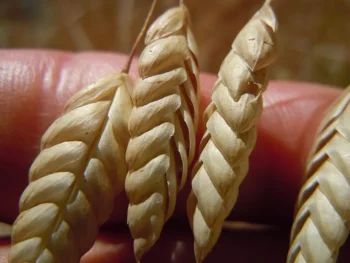
Rattlesnake Brome: The Annual Grass You Probably Don’t Want in Your Garden
If you’ve stumbled across the name rattlesnake brome while researching grasses for your garden, you might be wondering if this intriguingly named plant deserves a spot in your landscape. While Bromus briziformis certainly has an eye-catching common name, this annual grass is more likely to show up uninvited than to enhance your garden design.
What Is Rattlesnake Brome?
Rattlesnake brome (Bromus briziformis) is an annual grass that originally hails from the Mediterranean region and parts of Europe and western Asia. Despite its exotic origins, this adaptable little grass has made itself quite at home across North America, where it’s considered a non-native species that reproduces freely in the wild.
Don’t let the dramatic name fool you – there’s nothing particularly snake-like about this modest grass. It typically grows to about 1.6 feet tall with an upright, bunch-forming growth habit and small, inconspicuous yellow flowers that bloom in late spring.
Where Does It Grow?
Rattlesnake brome has spread extensively across North America, establishing populations in Alaska, Canada, and throughout much of the lower 48 states including California, Colorado, Connecticut, Delaware, Idaho, Illinois, and many others. It’s particularly well-adapted to areas with 12-45 inches of annual precipitation.
- Species observed
- No observations
Garden Appeal (Or Lack Thereof)
Let’s be honest – rattlesnake brome isn’t winning any beauty contests. This grass offers minimal ornamental value with its:
- Small, barely noticeable flowers
- Medium-textured green foliage that doesn’t retain leaves through winter
- Brown seeds that aren’t particularly showy
- Rapid but short-lived growth (it’s an annual, after all)
While some gardeners appreciate grasses that provide fall interest, rattlesnake brome’s brief growing season and lack of striking features make it a poor choice for intentional landscaping.
Growing Conditions
If rattlesnake brome does appear in your garden (likely uninvited), you’ll find it’s quite adaptable:
- Soil: Prefers coarse to medium-textured soils with pH between 5.3-7.2
- Water: Low moisture requirements with medium drought tolerance
- Sun: Full sun lover – it’s shade intolerant
- Temperature: Needs at least 85 frost-free days and minimum temperatures above 47°F
- Hardiness: As an annual, it completes its life cycle in zones 3-9
Wetland Status
Across most regions, rattlesnake brome is classified as Obligate Upland, meaning it almost never occurs in wetlands. In Alaska and some coastal areas, it may occasionally appear in wetland edges but still prefers well-drained sites.
Wildlife and Pollinator Value
Unfortunately, rattlesnake brome offers limited benefits to wildlife and pollinators. As a wind-pollinated grass, it doesn’t provide nectar or pollen resources for bees and butterflies. Its seeds may provide some food for birds, but native grasses typically offer superior wildlife habitat and food sources.
Should You Plant It?
The short answer? Probably not. While rattlesnake brome isn’t listed as invasive or noxious, it’s not commercially available for a reason. This grass brings little to the table in terms of beauty, wildlife value, or garden function.
Better Native Alternatives
Instead of rattlesnake brome, consider these native grass options that offer superior garden value:
- Little bluestem – Beautiful fall color and excellent wildlife habitat
- Buffalo grass – Low-maintenance lawn alternative in dry regions
- Native bunch grasses specific to your region – Check with local native plant societies
The Bottom Line
Rattlesnake brome is one of those plants that’s more interesting to read about than to grow. While it’s not harmful enough to cause alarm, it’s not beneficial enough to recommend. If you encounter it in your garden, you can simply let it complete its annual cycle or remove it to make room for more garden-worthy plants.
Remember, the best gardens are built on plants that serve multiple purposes – providing beauty, supporting local wildlife, and thriving in their environment. Rattlesnake brome, while perfectly harmless, just doesn’t make the cut for intentional garden design.