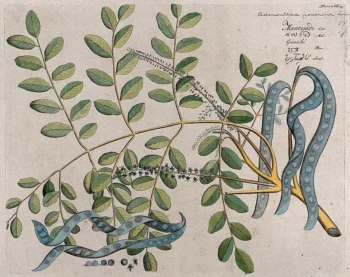
Red Beadtree: A Striking Tropical Tree with Beautiful Seeds
If you’ve ever stumbled across bright red seeds with distinctive black spots, chances are you’ve encountered the handiwork of the red beadtree (Adenanthera pavonina). This eye-catching tropical tree has made quite a name for itself in warm climates, though it’s definitely not a native to North American gardens.
What is the Red Beadtree?
The red beadtree is a perennial woody tree that typically grows as a single-trunked specimen reaching heights greater than 13-16 feet, though it can sometimes develop multiple stems under certain conditions. Originally hailing from Southeast Asia, this tree has found its way into tropical and subtropical regions around the world, including parts of the United States.
Where Does It Grow?
In the United States, you’ll find red beadtree growing in Florida, Hawaii, Guam, Palau, Puerto Rico, and the U.S. Virgin Islands. It’s important to note that this species is non-native to all these locations, meaning it was introduced by humans and now reproduces spontaneously in the wild without assistance.
- Species observed
- No observations
Why Gardeners Are Drawn to Red Beadtree
There’s no denying the red beadtree has some serious visual appeal:
- Stunning seeds: The tree produces bright red seeds adorned with black spots that are often used in jewelry and crafts
- Attractive foliage: Delicate, feathery compound leaves create dappled shade
- Fragrant flowers: Yellow-white flower spikes emit a pleasant fragrance and attract pollinators like bees
- Shade provider: Makes an excellent specimen or shade tree in large landscapes
Growing Conditions and Care
If you’re in USDA hardiness zones 10-12 and considering this tree, here’s what it needs to thrive:
- Sunlight: Full sun exposure for best growth and flowering
- Soil: Well-draining soil is essential; the tree is quite adaptable to different soil types
- Water: Regular watering when young, but becomes quite drought tolerant once established
- Space: Give it plenty of room to grow – this isn’t a tree for small gardens
Wetland Compatibility
Red beadtree is classified as Obligate Upland in most regions, meaning it almost never occurs in wetlands. In Hawaii, it’s considered Facultative Upland, usually preferring non-wetland areas but occasionally tolerating wetland conditions.
Things to Consider Before Planting
While red beadtree can be an attractive addition to tropical gardens, there are some important considerations:
- Non-native status: This tree isn’t native to any U.S. region where it’s currently growing
- Seed dispersal: The attractive seeds can lead to self-seeding and potential spread
- Size requirements: Needs significant space to reach its full potential
- Climate limitations: Only suitable for the warmest U.S. regions
Native Alternatives to Consider
If you’re looking for native trees that offer similar benefits in tropical and subtropical regions, consider these alternatives:
- For Florida: Firebush (Hamelia patens) or Wild Lime (Zanthoxylum fagara)
- For Hawaii: Koa (Acacia koa) or Hawaiian Tree Fern (Cibotium chamissoi)
- For Puerto Rico: Royal Palm (Roystonea borinquena) or Flamboyan (Delonix regia)
The Bottom Line
Red beadtree can be a stunning addition to large tropical and subtropical landscapes, offering beautiful flowers, attractive seeds, and good shade. However, as a non-native species, it’s worth considering whether native alternatives might better serve your garden’s ecosystem. If you do choose to plant red beadtree, be mindful of its seeding habits and ensure you have adequate space for this sizeable tree to flourish.
Remember, the best garden is one that balances your aesthetic preferences with environmental responsibility – and there are often native plants that can provide similar beauty while supporting local wildlife and ecosystems.