Red Ironbark: A Striking Australian Tree for Warm Climates
If you’re looking for a drought-tolerant tree that makes a bold statement in your landscape, the red ironbark (Eucalyptus sideroxylon) might catch your eye. This Australian native has found its way into gardens across warmer parts of the United States, bringing with it some serious Mediterranean garden vibes and a unique beauty that’s hard to ignore.
What Is Red Ironbark?
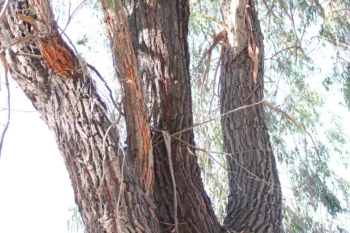
Red ironbark is a perennial tree that typically grows as a single-trunked specimen, reaching impressive heights of 13-16 feet or more under the right conditions. As its common name suggests, this eucalyptus species is famous for its distinctive reddish-brown to dark gray bark that develops deep furrows as the tree matures, creating an almost armor-like appearance that’s both rugged and elegant.
The tree produces narrow, blue-green to gray-green leaves that shimmer beautifully in sunlight, and clusters of showy flowers that range from white to pink, adding seasonal color and attracting pollinators like bees.
Where Does Red Ironbark Grow?
Originally from southeastern Australia, particularly Victoria and South Australia, red ironbark has established itself in warmer parts of the United States. You’ll find it growing in California and Hawaii, where the climate suits its Mediterranean preferences.
- Species observed
- No observations
It’s important to note that red ironbark is considered a non-native species that has naturalized in these areas, meaning it reproduces on its own in the wild without human assistance.
Why Consider Red Ironbark for Your Garden?
There are several compelling reasons why gardeners in warm climates might be drawn to this striking tree:
- Drought tolerance: Once established, red ironbark can handle dry conditions like a champ
- Low maintenance: Minimal care requirements make it appealing for busy gardeners
- Unique bark texture: The distinctive ironbark provides year-round visual interest
- Pollinator support: Flowers provide nectar for bees and other pollinators
- Fast growth: Establishes relatively quickly compared to many native trees
Garden Design and Landscape Role
Red ironbark works best as a specimen tree where it has room to show off its architectural form. It’s perfect for Mediterranean-style gardens, drought-tolerant landscapes, and larger properties where you need a substantial tree for shade or as a focal point. The tree also functions well as part of a windbreak in appropriate settings.
This isn’t a tree for small yards or tight spaces – it needs room to spread and grow to its full potential.
Growing Conditions and Care
Red ironbark thrives in USDA hardiness zones 9-11, so it’s limited to warmer climates. Here’s what this tree needs to succeed:
- Sunlight: Full sun is essential for healthy growth
- Soil: Well-draining soil is crucial; it adapts to poor to moderate fertility
- Water: Drought tolerant once established, but needs regular water the first year
- Space: Allow plenty of room for mature size
Planting and Care Tips
Spring is the ideal time to plant red ironbark. Choose a location with full sun and ensure the soil drains well – waterlogged roots are this tree’s biggest enemy. During the first year, provide regular watering to help establish a strong root system, then gradually reduce watering as the tree adapts.
Pruning is generally minimal – just remove dead or damaged branches as needed. Keep an eye out for eucalyptus longhorn borer, a pest that can affect eucalyptus trees in some areas.
Things to Consider
While red ironbark can be an attractive addition to the right garden, remember that it’s not native to North America. If you’re passionate about supporting local ecosystems, consider native alternatives that provide similar benefits:
- For drought tolerance and interesting bark: Native oak species
- For fast growth and shade: Native sycamores or cottonwoods (in appropriate climates)
- For Mediterranean garden style: Native manzanitas or ceanothus (shrub forms)
The Bottom Line
Red ironbark offers undeniable beauty and practical benefits for gardeners in warm, dry climates. Its drought tolerance, striking appearance, and relatively low maintenance needs make it an understandable choice for Mediterranean-style landscapes. However, as with any non-native plant, consider the bigger picture of your local ecosystem and explore native alternatives that might provide similar benefits while supporting local wildlife.
Whether you choose red ironbark or go with a native alternative, the key is selecting the right tree for your specific site conditions and garden goals. Happy gardening!