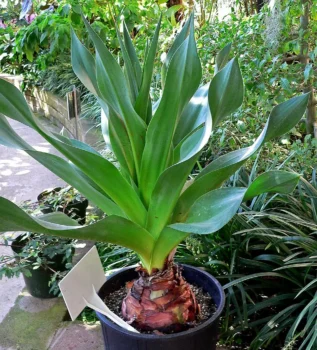
Red Squill: A Mediterranean Marvel for Your Garden
Meet the red squill (Urginea maritima), a spectacular bulbous plant that brings Mediterranean drama to any landscape. Despite its common name, this impressive plant actually produces towering spikes of white flowers that can stop traffic – and gardeners – in their tracks. If you’re looking for a plant that makes a bold architectural statement while requiring minimal fuss, red squill might just be your new best friend.
What Exactly Is Red Squill?
Red squill, scientifically known as Urginea maritima (also listed under the synonym Urginea scilla), is a robust bulbous perennial that calls the Mediterranean region home. This plant is a true showstopper, capable of sending up flower spikes that reach an impressive 3 to 6 feet tall, crowned with dense clusters of small, white, star-shaped flowers that bloom in late summer to fall.
Where Does Red Squill Come From?
This Mediterranean native thrives naturally along the coastal regions of southern Europe, North Africa, and parts of the Middle East. You’ll find it growing wild on rocky hillsides, sandy soils, and coastal cliffs where it has adapted to hot, dry summers and mild, wet winters.
Why Consider Red Squill for Your Garden?
Red squill offers several compelling reasons to earn a spot in your landscape:
- Architectural Impact: Those towering flower spikes create incredible vertical interest and serve as natural focal points
- Low Maintenance: Once established, this plant is remarkably drought-tolerant and requires minimal care
- Pollinator Magnet: The nectar-rich flowers attract bees and other beneficial pollinators to your garden
- Unique Blooming Time: Late summer to fall flowers provide interest when many other plants are winding down
The Perfect Garden Settings
Red squill shines brightest in specific garden styles and conditions:
- Mediterranean and xerophytic gardens
- Rock gardens and gravel gardens
- Coastal landscapes (where hardy)
- Modern, minimalist landscape designs
- Areas with poor, well-draining soil where other plants struggle
Growing Conditions and Care
Success with red squill comes down to mimicking its native Mediterranean environment:
- Sun Requirements: Full sun is essential for best flowering
- Soil: Well-draining sandy or rocky soil is crucial – soggy conditions will kill the bulb
- Water: Drought-tolerant once established; avoid overwatering
- Hardiness: Suitable for USDA zones 8-11
Planting and Care Tips
Getting red squill established successfully requires attention to a few key details:
- Plant bulbs in fall, positioning them just below the soil surface
- Ensure excellent drainage – consider raised beds or sloped areas if your soil retains moisture
- Water sparingly during the growing season and even less during dormancy
- Allow foliage to die back naturally after flowering to nourish the bulb
- Mulch lightly in colder zones for winter protection
A Word About Native Alternatives
While red squill isn’t invasive, gardeners interested in supporting local ecosystems might consider native alternatives that offer similar dramatic appeal. Depending on your region, plants like native agaves, yuccas, or large alliums can provide comparable architectural interest while supporting local wildlife.
The Bottom Line
Red squill is a garden plant for those who appreciate bold statements and Mediterranean flair. If you have the right growing conditions – excellent drainage, full sun, and mild winters – this spectacular bulb can become a signature feature in your landscape. Just remember that patience is key, as newly planted bulbs may take a season or two to reach their full flowering potential. But when they do, you’ll have a conversation starter that neighbors will remember long after the blooms fade.