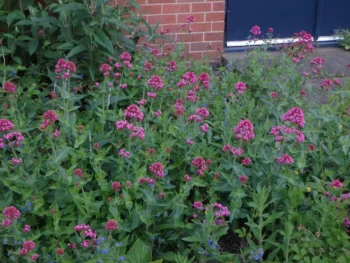
Red Valerian: A Mediterranean Beauty for Low-Maintenance Gardens
If you’re looking for a perennial that delivers months of colorful blooms with minimal fuss, red valerian (Centranthus ruber) might just be your new best friend. This Mediterranean native has made itself quite at home in parts of the United States, bringing its cheerful clusters of flowers and easygoing nature to gardens from coast to coast.
What Is Red Valerian?
Red valerian is a herbaceous perennial that forms attractive, bushy clumps topped with dense clusters of small, fragrant flowers. Despite its common name, don’t expect only red blooms – this adaptable plant produces flowers in shades of red, pink, and sometimes white. The scientific name Centranthus ruber might also appear as Kentranthus ruber in some references, but they’re the same delightful plant.
As a non-native species originally from the Mediterranean region, red valerian has naturalized in several western states including Arizona, California, Hawaii, Oregon, Utah, and Washington. It reproduces readily in the wild and has established self-sustaining populations in these areas.
- Species observed
- No observations
Why Gardeners Love Red Valerian
There’s a lot to appreciate about this undemanding perennial:
- Long blooming season: Flowers appear from late spring and continue well into fall with proper care
- Drought tolerance: Once established, it thrives with minimal water
- Pollinator magnet: Butterflies, bees, and other beneficial insects flock to the fragrant blooms
- Low maintenance: Requires little attention once settled in
- Versatile: Works well in borders, rock gardens, cottage gardens, and naturalized areas
Growing Conditions and Care
Red valerian is refreshingly easy to please. Here’s what it needs to thrive:
Sunlight: Full sun to partial shade, though flowering is best in full sun
Soil: Well-draining soil is essential – this plant abhors wet feet. It actually prefers poor to average soil and tends to favor slightly alkaline conditions. Rich, fertile soil can lead to excessive foliage growth at the expense of flowers.
Water: Moderate water during establishment, then very drought tolerant. Overwatering is more harmful than underwatering.
Climate: Hardy in USDA zones 4-8, making it suitable for a wide range of climates.
Planting and Maintenance Tips
Getting red valerian established is straightforward:
- Plant in spring after the last frost
- Space plants 12-18 inches apart
- Water regularly during the first growing season to establish roots
- Deadhead spent flowers to encourage continued blooming
- Cut back the entire plant after the main flowering period for a potential second flush of blooms
- Allow some flowers to go to seed if you want new plants (it self-seeds readily)
One thing to keep in mind: red valerian can be an enthusiastic self-seeder. While this isn’t necessarily problematic, you may find volunteer seedlings popping up around your garden.
Design Ideas and Landscape Use
Red valerian shines in several garden styles:
- Mediterranean gardens: Perfect companion for lavender, rosemary, and other drought-loving herbs
- Cottage gardens: Adds informal charm alongside roses, peonies, and other traditional favorites
- Rock gardens: Excellent for adding color to rocky, well-draining spots
- Xeriscape designs: Ideal for water-wise landscaping
A Note About Native Alternatives
While red valerian is a lovely addition to many gardens, you might also consider native alternatives that provide similar benefits while supporting local ecosystems. Depending on your region, native options might include wild bergamot (Monarda), native salvias, or penstemons, which also attract pollinators and offer drought tolerance.
The Bottom Line
Red valerian offers a winning combination of beauty, resilience, and low maintenance that appeals to many gardeners. Its long blooming period, drought tolerance, and ability to attract beneficial insects make it a valuable addition to the right garden setting. Just remember that a little red valerian can go a long way – this enthusiastic perennial knows how to make itself at home!