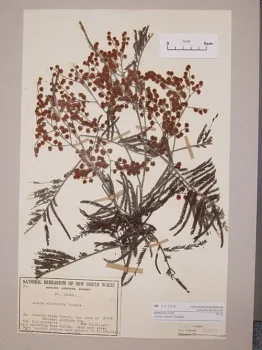
Red Wattle: A Garden Mystery Worth Solving
If you’ve stumbled across the name red wattle or its botanical counterpart Acacia silvestris while researching plants for your garden, you might find yourself scratching your head. And honestly? You’re not alone in this botanical puzzle!
The Name Game Challenge
Here’s where things get a bit tricky (and frankly, pretty interesting if you’re into plant detective work). The name Acacia silvestris doesn’t appear to be widely recognized in major botanical databases or scientific literature. This could mean a few different things:
- It might be a regional or local name that hasn’t made it into the big botanical books
- It could be an older name that’s since been reclassified
- There’s a chance it’s been confused with another similar species
- It might be a cultivar or variety name rather than a species name
What We Do Know
The red wattle common name gives us a helpful clue! Wattle is a term commonly used for various Acacia species, particularly in Australia. Many Acacias are beloved for their bright yellow, fluffy flower clusters and their ability to thrive in tough conditions.
So, Should You Plant It?
Here’s the honest truth: without clear identification and reliable information about this specific plant, it’s tough to give you solid growing advice. Instead, let me suggest a better approach.
Better Alternatives to Consider
If you’re drawn to the idea of a red wattle or Acacia species for your garden, consider these well-documented options:
- Research verified Acacia species that are appropriate for your region
- Check with your local native plant society for regional recommendations
- Visit botanical gardens or nurseries to see established Acacia species in person
- Consult with local extension services for the best native alternatives
The Bottom Line
While the mystery of Acacia silvestris remains unsolved, this is actually a perfect reminder of why proper plant identification matters so much in gardening. Rather than taking a gamble on an unclear species name, focus on well-documented plants that you know will thrive in your specific conditions.
Your garden (and your future self) will thank you for choosing plants with clear growing requirements and proven track records. Plus, you’ll avoid the frustration of trying to care for a plant when you’re not even sure what it really is!
Remember: the best garden plants are the ones you can identify with confidence and grow with success.