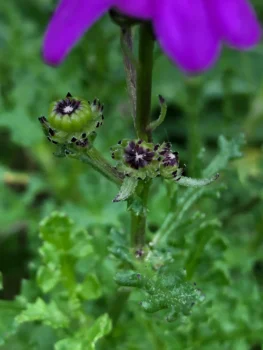
Redpurple Ragwort: A Colorful Annual for Your Garden
Looking for a cheerful annual that adds a splash of color to your garden with minimal fuss? Redpurple ragwort (Senecio elegans) might just be the plant you’re seeking. This South African native has found its way into gardens around the world, bringing its daisy-like blooms and easy-going nature along for the ride.
What Is Redpurple Ragwort?
Redpurple ragwort is an annual forb, which is just a fancy way of saying it’s a non-woody herbaceous plant that completes its life cycle in one growing season. Don’t let the ragwort name fool you – this pretty little plant produces charming daisy-like flowers in shades of purple, pink, and white, complemented by attractive, feathery foliage that adds texture to any garden bed.
Where Does It Grow?
Originally from the Cape region of South Africa, redpurple ragwort has adapted well to Mediterranean climates. In the United States, it has naturalized in California, where it thrives in the state’s mild, dry climate. As a non-native species that reproduces on its own in the wild, it’s established itself as part of California’s introduced flora.
- Species observed
- No observations
Garden Appeal and Design Uses
What makes redpurple ragwort appealing to gardeners? Here are its standout features:
- Delicate, colorful daisy-like flowers that bloom from spring through fall
- Feathery, silvery-green foliage that provides nice textural contrast
- Compact growth habit perfect for borders and containers
- Self-seeding tendency that can fill in gaps naturally
- Drought tolerance once established
This plant works beautifully in cottage gardens, Mediterranean-style landscapes, and annual flower beds. It’s particularly at home in wildflower gardens where its naturalistic appearance can shine. The compact size makes it excellent for container gardening and border edges.
Growing Conditions and Care
Redpurple ragwort is refreshingly low-maintenance. Here’s what it needs to thrive:
- Sunlight: Full sun to partial shade (at least 6 hours of direct sunlight)
- Soil: Well-draining soil; adapts to various soil types but abhors waterlogged conditions
- Water: Moderate water needs; drought tolerant once established
- Climate: Best suited for USDA zones 9-11, but can be grown as an annual in cooler regions
Planting and Care Tips
Getting started with redpurple ragwort is straightforward:
- Direct sow seeds in spring after the last frost date
- Lightly cover seeds as they need some light to germinate
- Keep soil consistently moist until seedlings establish
- Deadhead spent flowers to encourage continued blooming
- Allow some flowers to go to seed if you want self-sowing for next year
The plant will readily self-seed, so you may find volunteers popping up in subsequent seasons – a delightful bonus for many gardeners!
Wildlife and Pollinator Benefits
Like many members of the daisy family, redpurple ragwort attracts a variety of beneficial insects. Bees, butterflies, and other small pollinators appreciate the nectar-rich flowers, making this plant a good choice for pollinator-friendly gardens.
Should You Plant It?
Redpurple ragwort can be a lovely addition to gardens in appropriate climates, especially for gardeners who appreciate low-maintenance annuals with reliable blooms. However, since it’s a non-native species, consider also incorporating native alternatives that provide similar benefits while supporting local ecosystems.
Some native alternatives to consider include California poppies (Eschscholzia californica) for orange blooms, or native asters and sunflowers for daisy-like flowers that local wildlife will particularly appreciate.
The Bottom Line
Redpurple ragwort offers gardeners an easy-to-grow annual with charming flowers and minimal care requirements. While it’s not native to North America, it can coexist peacefully in gardens when grown responsibly. Whether you choose to include it in your garden or opt for native alternatives, the key is creating a diverse, beautiful space that brings you joy while supporting the local environment.