Redsepal Evening Primrose: A Towering Biennial for Evening Gardens
If you’ve ever dreamed of having dinner-plate-sized yellow blooms that put on their show just as the sun begins to set, then redsepal evening primrose (Oenothera glazioviana) might be calling your name. This statuesque biennial, also known as large-flower evening-primrose, brings drama and nighttime magic to gardens with its impressive height and spectacular evening blooms.
What Makes Redsepal Evening Primrose Special
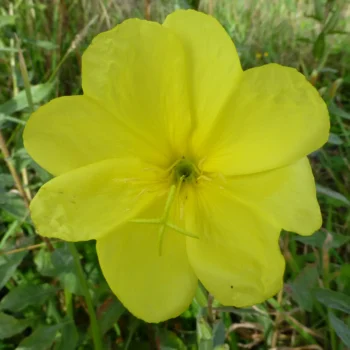
Don’t let the name fool you – while those red-tinged sepals (the leaf-like structures behind the petals) give this plant its common name, it’s the massive 3-4 inch bright yellow flowers that steal the show. These beauties open in the evening hours, releasing a sweet fragrance that attracts night-flying moths and other nocturnal pollinators. By morning, the flowers may still be open for early-rising bees to enjoy before they close for the day.
As a biennial forb, redsepal evening primrose follows a two-year life cycle. The first year, it develops a low rosette of leaves, then sends up towering flower spikes reaching 3-8 feet tall in its second year – talk about making an entrance!
Native Status and Distribution
Originally hailing from Europe, redsepal evening primrose has made itself at home across much of North America. This non-native species has established populations in numerous states and provinces, from British Columbia down to South Carolina, and from California to Maine. It reproduces readily in the wild and has naturalized in many areas.
- Species observed
- No observations
Garden Role and Design Uses
With its impressive height and evening-blooming habit, redsepal evening primrose serves several roles in the landscape:
- Back-of-border dramatic accent in perennial beds
- Centerpiece for evening or moon gardens
- Naturalized plantings in meadow-style landscapes
- Cottage garden charm with old-world appeal
Its towering presence makes it perfect for creating vertical interest, while the evening blooming schedule adds a unique dimension to gardens designed for after-work enjoyment.
Growing Conditions and Care
One of the best things about redsepal evening primrose is how easy-going it can be once you understand its preferences:
- Sunlight: Full sun to partial shade (at least 6 hours of direct sunlight preferred)
- Soil: Well-draining soil is essential – it’s quite drought tolerant once established
- Hardiness: Thrives in USDA zones 4-9
- Water: Moderate water needs; avoid overwatering which can cause root rot
Planting and Propagation Tips
Getting started with redsepal evening primrose is refreshingly straightforward:
- Direct sow seeds in fall or early spring – they need a cold period to germinate properly
- Scatter seeds on the soil surface and lightly rake in (they need light to germinate)
- Space plants 2-3 feet apart to accommodate their mature size
- Be prepared for self-seeding – this plant is quite generous with producing offspring
Once established, these plants require minimal fussing. They’re quite drought tolerant and don’t typically need fertilizing in average garden soils.
Wildlife and Pollinator Benefits
The evening-opening flowers create a unique niche in the garden ecosystem, primarily attracting night-flying moths with their sweet fragrance and large, accessible blooms. Early morning visitors might include bees taking advantage of any flowers still open from the night before.
Things to Consider
While redsepal evening primrose can be a stunning addition to the right garden, there are a few things to keep in mind:
- It’s a prolific self-seeder, so be prepared for volunteers in future seasons
- As a biennial, individual plants die after their second year of flowering
- The tall stems may need staking in windy locations
- Since it’s non-native, consider pairing it with native alternatives for ecological diversity
Native Alternatives to Consider
If you love the idea of evening-blooming flowers but prefer native options, consider these alternatives:
- Native evening primroses (Oenothera species native to your region)
- Four o’clocks (Mirabilis nyctaginea) for evening blooms
- Wild bergamot (Monarda fistulosa) for tall, pollinator-friendly flowers
The Bottom Line
Redsepal evening primrose offers gardeners a chance to create magical evening moments with its impressive size and spectacular blooms. While it’s not native to North America, it’s not considered invasive in most areas where it grows. If you’re drawn to its dramatic presence and evening charm, it can be a wonderful addition to the right garden setting – just be prepared for its enthusiastic self-seeding habits and consider balancing it with native plants to support local ecosystems.
Whether you’re planning an evening garden for after-work relaxation or simply want to add some towering drama to your landscape, this European transplant might just be the conversation starter your garden needs.