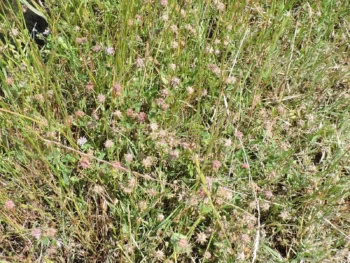
Reversed Clover: The Upside-Down Annual That’s Turning Heads
Have you ever stumbled across a clover that looks like it’s doing a headstand? Meet reversed clover (Trifolium resupinatum), an intriguing annual that gets its common name from its distinctive upside-down flower arrangement. This quirky little plant might just surprise you with its unique charm and practical benefits.
What Makes Reversed Clover Special?
Reversed clover is exactly what its name suggests – a clover with flowers that appear to be flipped upside down compared to typical clover species. This Mediterranean native belongs to the legume family and functions as a forb, meaning it’s an herbaceous plant without woody stems that dies back each year.
The plant produces small, eye-catching pink to purple flowers arranged in distinctive cone-shaped heads that point downward, giving it that characteristic reversed appearance that sets it apart from its more common clover cousins.
Where You’ll Find It
Originally from the Mediterranean region, reversed clover has made itself at home across a surprisingly wide range of North America. You can find it growing in over 30 states plus parts of Canada, including:
- Most of the southeastern United States
- Parts of the Midwest and Great Plains
- Select areas in the West Coast
- Even as far north as New Brunswick and Quebec
- Species observed
- No observations
Garden Appeal and Landscape Role
While reversed clover isn’t a showstopper in the traditional sense, it brings several appealing qualities to gardens and landscapes:
- Unique texture: Its upside-down flower heads create interesting visual contrast
- Ground coverage: Forms a low-growing carpet that can fill in bare spots
- Pollinator magnet: Attracts bees, butterflies, and other beneficial insects
- Soil improvement: Like other legumes, it fixes nitrogen in the soil
This plant works well in cottage gardens, wildflower meadows, or as a temporary ground cover in areas where you’re planning future plantings.
Growing Conditions and Care
One of reversed clover’s biggest selling points is how easy-going it is. Here’s what it prefers:
- Sunlight: Full sun for best growth and flowering
- Soil: Well-drained soils of various types
- Water: Drought tolerant once established
- Climate: Hardy across USDA zones 3-10 as an annual
The plant typically avoids wetland areas, preferring upland sites with good drainage. In most regions, it’s classified as obligate upland, meaning you’ll almost never find it in consistently wet conditions.
Planting and Maintenance Tips
Growing reversed clover is refreshingly straightforward:
- Direct seed in spring after the last frost or in fall
- Scatter seeds on prepared soil and lightly rake in
- Water gently until germination occurs
- Once established, it needs minimal care
- Allow plants to self-seed if you want them to return next year
As an annual, reversed clover completes its entire life cycle in one growing season, but it often self-seeds readily, creating the appearance of a perennial presence in your garden.
Should You Grow It?
Reversed clover occupies an interesting middle ground in the gardening world. It’s not native to North America, but it’s also not considered invasive or problematic. Here are some considerations:
Reasons to grow it:
- Easy to grow and maintain
- Provides pollinator benefits
- Improves soil through nitrogen fixation
- Adds unique visual interest
- Self-seeds for future seasons
Things to consider:
- It’s a non-native species
- May self-seed more vigorously than expected
- Not as beneficial to native wildlife as indigenous plants
Native Alternatives to Consider
If you’re focusing on supporting local ecosystems with native plants, consider these alternatives that provide similar benefits:
- Wild bergamot (Monarda species)
- Native lupines (Lupinus species)
- Wild indigo (Amorpha species)
- Native clovers specific to your region
These native options will provide even greater benefits to local pollinators and wildlife while offering similar nitrogen-fixing capabilities.
The Bottom Line
Reversed clover is a curious little plant that can add interest to informal garden spaces while providing practical benefits like soil improvement and pollinator support. While it’s not native to North America, it’s not problematic either, making it a reasonable choice for gardeners who appreciate its unique appearance and easy-care nature.
Whether you choose to grow reversed clover or opt for native alternatives, the key is creating spaces that support both your aesthetic vision and the broader ecosystem. Sometimes the most interesting gardens are those that thoughtfully blend the familiar with the unexpected – and reversed clover certainly fits that bill.