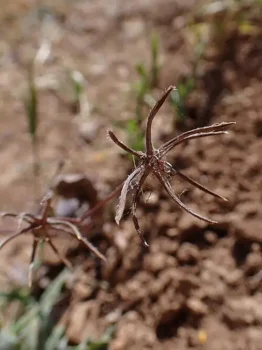
Rhagadiolus: A Little-Known Non-Native Annual Worth Understanding
If you’ve stumbled across the name rhagadiolus in your gardening research, you might be scratching your head wondering what exactly this plant is all about. Don’t worry – you’re not alone! Rhagadiolus is one of those lesser-known plant genera that doesn’t get much spotlight in typical gardening circles, and for good reason.
What is Rhagadiolus?
Rhagadiolus is a non-native annual plant that belongs to the forb family – essentially, it’s an herbaceous plant without any significant woody growth. Think of it as a cousin to your typical garden herbs and wildflowers, staying soft and green rather than developing bark or woody stems. This particular plant has made its way into the United States and now reproduces on its own in the wild, particularly in California.
Where You’ll Find It
Currently, rhagadiolus has established itself in California, where it grows and spreads without human intervention. As a Mediterranean native that’s adapted to similar climates, it’s found its niche in the Golden State’s diverse landscapes.
- Species observed
- No observations
The Garden Reality Check
Here’s where things get a bit tricky for us garden enthusiasts. While rhagadiolus isn’t officially labeled as invasive or noxious, there’s surprisingly little information available about its garden performance, care requirements, or even its visual appeal. This lack of readily available gardening information suggests it’s not commonly cultivated or recommended for home landscapes.
What We Don’t Know (And Why That Matters)
Unfortunately, many key details about rhagadiolus remain unclear, including:
- Specific growing conditions and care requirements
- Visual characteristics and aesthetic appeal
- Benefits to pollinators and wildlife
- Suitable USDA hardiness zones
- Propagation methods and planting tips
Should You Plant It?
Given the limited information available and its non-native status, most gardeners would be better served by choosing well-documented native alternatives. California boasts an incredible array of native annual wildflowers and forbs that offer:
- Proven benefits to local wildlife and pollinators
- Established care guidelines and growing tips
- Natural adaptation to local growing conditions
- Support for regional ecosystem health
The Bottom Line
While rhagadiolus isn’t necessarily a bad plant, it falls into that garden gray area of why bother? With so many fantastic native California annuals available – from poppies to lupines to countless other wildflowers – there’s little compelling reason to seek out this particular non-native species for your garden.
If you’re passionate about supporting local ecosystems and creating a thriving garden habitat, consider exploring California’s rich palette of native annual wildflowers instead. Your local pollinators, birds, and other wildlife will thank you for it!