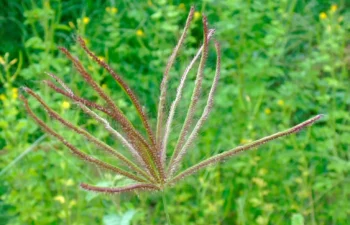
Rhodes Grass: A Drought-Tolerant Option for Challenging Landscapes
If you’re wrestling with a dry, difficult spot in your yard where nothing seems to thrive, you might have stumbled across Rhodes grass in your research. This hardy perennial grass has made quite a name for itself in water-wise gardening circles, though it comes with some considerations worth exploring before you commit to planting it.
What is Rhodes Grass?
Rhodes grass (Chloris gayana) is a perennial grass that forms attractive clumps of fine-textured, green foliage. Originally from Africa, this resilient grass has found its way to gardens across the warmer regions of the United States. It’s not a native species, having been introduced and now growing wild in many areas from coast to coast.
Where Does It Grow?
You’ll find Rhodes grass established in a surprising number of states, including Arizona, California, Florida, Hawaii, Illinois, Louisiana, Maine, Massachusetts, Mississippi, North Carolina, Texas, Virginia, and the Virgin Islands. It’s particularly well-suited to warmer climates and can handle USDA hardiness zones 8 through 11.
- Species observed
- No observations
What Does It Look Like?
Rhodes grass reaches about 3 feet tall at maturity and grows in a multi-stemmed, upright fashion. The foliage has a fine texture that creates a soft, almost feathery appearance in the landscape. During late summer, it produces small white seed heads, though these aren’t particularly showy. The real appeal lies in its consistent green color and moderate growth rate that won’t overwhelm your garden.
Why Gardeners Choose Rhodes Grass
There are several practical reasons why Rhodes grass catches gardeners’ attention:
- Drought tolerance: Once established, it requires minimal watering
- Erosion control: Excellent for slopes and areas prone to soil loss
- Low maintenance: Requires little fertilizer and has minimal pest issues
- Adaptable: Grows in various soil types, from clay to sandy soils
- Quick establishment: Seeds germinate readily with high seedling vigor
Growing Conditions and Care
Rhodes grass is refreshingly straightforward to grow. It prefers full sun and well-draining soils, though it can adapt to both fine and medium-textured soils. The grass is quite drought-tolerant once established, making it perfect for xeriscaping projects.
Here are the key growing requirements:
- Soil pH: Prefers slightly acidic to neutral soils (5.0-7.0)
- Water needs: Low once established
- Sun exposure: Full sun (shade intolerant)
- Temperature: Can handle temperatures down to -8°F
- Rainfall: Thrives with 30-60 inches of annual precipitation
Planting Rhodes Grass
The easiest way to establish Rhodes grass is from seed, and you’re in luck—it’s routinely available commercially. With over 2 million seeds per pound, a little goes a long way! Plant seeds in spring or early summer when soil temperatures warm up. The seeds have high vigor and spread rapidly once they get going.
Simply scatter seeds over prepared soil, lightly rake them in, and keep the area moderately moist until germination occurs. You’ll need at least 180 frost-free days for successful establishment.
Things to Consider
While Rhodes grass has its merits, there are a few things to keep in mind. As a non-native species, it doesn’t provide the same ecological benefits as native grasses. It offers limited value to pollinators since it’s wind-pollinated, and its wildlife benefits are minimal compared to indigenous alternatives.
The grass is classified as facultative upland, meaning it typically grows in non-wetland areas but might occasionally pop up in wetter spots. It’s not particularly fire-resistant, so consider this if you live in fire-prone areas.
Native Alternatives to Consider
Before settling on Rhodes grass, consider exploring native grass options for your region. Native grasses provide superior wildlife habitat, support local pollinators, and are naturally adapted to your local climate conditions. Some excellent native alternatives include:
- Buffalo grass in the Great Plains
- Blue grama in western regions
- Little bluestem across many areas
- Wiregrass in southeastern states
Check with your local native plant society or extension office for the best native grass recommendations for your specific area.
The Bottom Line
Rhodes grass can be a practical solution for challenging, dry sites where you need quick establishment and low-maintenance ground cover. While it won’t win awards for supporting local wildlife, it does deliver on its promise of drought tolerance and erosion control. Just remember to weigh it against native alternatives that might offer both practical benefits and ecological value for your local environment.
Whether you choose Rhodes grass or go with a native alternative, you’ll be taking a step toward more sustainable, water-wise gardening—and that’s always a win in our book!