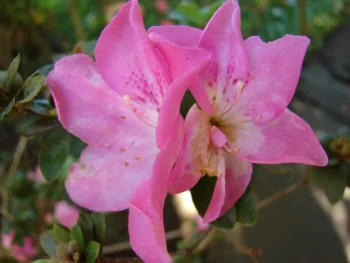
The Mystery of Rhododendron eriocarpum: When Plant Names Leave Us Puzzled
Have you ever come across a plant name that seems to vanish into thin air when you try to research it? Welcome to the curious case of Rhododendron eriocarpum – a botanical name that’s proving to be quite the enigma in the gardening world!
The Challenge with Rhododendron eriocarpum
Here’s the thing about Rhododendron eriocarpum: despite its official-sounding Latin name, reliable information about this specific plant is remarkably scarce. After digging through botanical databases, research papers, and horticultural resources, this particular species name doesn’t appear in standard references or major plant collections.
This mysterious absence could mean several things:
- The name might be a misspelling of another rhododendron species
- It could be an outdated synonym that’s no longer in use
- It might be an extremely rare or recently described species with limited documentation
- The name could be incorrectly applied or not validly published
What This Means for Gardeners
If you’ve encountered the name Rhododendron eriocarpum on a plant label, in a catalog, or online listing, proceed with caution. Without reliable information about its characteristics, growing requirements, or even its validity as a species name, it’s impossible to provide proper care guidance or assess whether it would be suitable for your garden.
Better Alternatives: Reliable Rhododendron Choices
Instead of puzzling over this mysterious species, consider these well-documented and widely available rhododendrons that offer proven performance in gardens:
- Rhododendron maximum (Great Laurel) – A native North American species perfect for woodland gardens
- Rhododendron catawbiense (Catawba Rhododendron) – Hardy and reliable with stunning purple blooms
- Rhododendron calendulaceum (Flame Azalea) – A native deciduous species with brilliant orange flowers
- Rhododendron viscosum (Swamp Azalea) – Great for moist areas with fragrant white flowers
What to Do If You Have This Plant
If you believe you have a plant labeled as Rhododendron eriocarpum, here’s what you can do:
- Take clear photos of the leaves, flowers, and overall plant structure
- Contact your local extension office or botanical garden for identification help
- Consider reaching out to rhododendron societies or online plant identification communities
- Document where you obtained the plant and any accompanying information
The Takeaway
While the mystery of Rhododendron eriocarpum remains unsolved, this situation highlights the importance of purchasing plants from reputable sources and verifying botanical names. When in doubt, stick with well-documented species that have proven track records in cultivation. Your garden (and your sanity) will thank you!
Remember, the world of botany is constantly evolving, with new discoveries and taxonomic changes happening regularly. What seems like a mystery today might be clarified tomorrow – but until then, it’s best to choose plants we can confidently grow and enjoy.