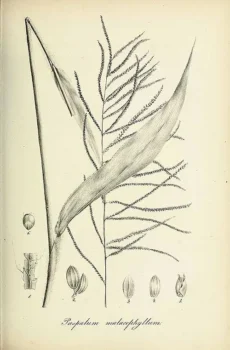
Ribbed Paspalum: A Low-Maintenance Grass for Southern Gardens
If you’re looking for a hardy, low-maintenance grass that can handle tough conditions, you might want to get acquainted with ribbed paspalum (Paspalum malacophyllum). This perennial grass has quietly made itself at home in parts of the southern United States, offering gardeners an option for naturalized landscapes and challenging growing spots.
What Is Ribbed Paspalum?
Ribbed paspalum is a perennial grass that belongs to the large and diverse Poaceae family. Like other paspalum species, it’s a true grass with the characteristic narrow leaves and delicate seed heads that dance in the breeze. The ribbed part of its name refers to the distinctive ridges along its leaf blades, giving it a subtle textural interest that sets it apart from other grasses.
Where Does It Grow?
Currently, ribbed paspalum has established populations in Florida, Georgia, and Texas. Originally hailing from South America, this grass is considered non-native to the United States but has successfully naturalized in these southeastern and south-central regions.
- Species observed
- No observations
A Note About Its Origins
Here’s something important to keep in mind: ribbed paspalum is not native to North America. While it’s not currently listed as invasive, it’s always worth considering native alternatives first when planning your garden. Native grasses like little bluestem (Schizachyrium scoparium) or buffalo grass (Poaceae dactyloides) might be better choices for supporting local ecosystems and wildlife.
What Does It Look Like?
Ribbed paspalum forms dense, low-growing tufts that create a naturalized carpet effect. The grass produces narrow leaf blades with distinctive ridging, and during its growing season, it sends up delicate seed heads that add movement and texture to the landscape. It’s not flashy, but it has that understated charm that works well in casual, naturalized settings.
Growing Conditions and Care
One of ribbed paspalum’s strong suits is its adaptability. This grass thrives in USDA hardiness zones 8-10, which aligns perfectly with its current distribution in the southeastern United States.
Ideal growing conditions include:
- Full sun to partial shade
- Well-draining to moderately moist soils
- Adaptable to various soil types
- Drought tolerant once established
Planting and Maintenance
If you decide to grow ribbed paspalum, you’ll appreciate its low-maintenance nature. Once established, this grass is quite drought tolerant and doesn’t require frequent watering or fertilizing. It’s the kind of plant that thrives on benign neglect – perfect for those areas of your garden where you want something green and growing without a lot of fuss.
The grass spreads naturally through self-seeding, so you might find new patches appearing in suitable spots around your garden. Keep an eye on this tendency, especially since it’s a non-native species.
Garden Uses and Landscape Role
Ribbed paspalum works well in:
- Naturalized meadow areas
- Erosion control on slopes
- Low-maintenance ground cover
- Transition zones between cultivated and wild areas
Wildlife and Pollinator Value
As a wind-pollinated grass, ribbed paspalum doesn’t offer nectar for pollinators like flowering plants do. However, grasses do provide some wildlife benefits, including seeds for birds and habitat for small creatures.
The Bottom Line
Ribbed paspalum can be a useful plant for specific situations – particularly where you need a tough, low-maintenance grass for naturalized areas. However, since it’s not native to North America, consider exploring native grass alternatives first. Your local native plant society or extension office can help you identify indigenous grasses that would provide similar benefits while supporting local ecosystems.
If you do choose to plant ribbed paspalum, monitor its spread and be prepared to manage it responsibly to prevent it from moving beyond your intended planting areas.