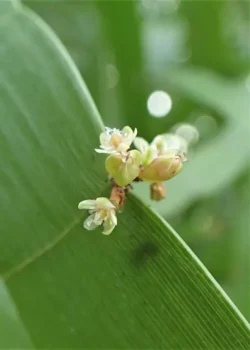
Ribbonbush: The Quirky Plant That’s All Stems and No Leaves
If you’ve ever wondered what a plant would look like if it decided to ditch its leaves entirely, meet the ribbonbush (Homalocladium platycladum). This peculiar perennial shrub has earned its place in gardens not for its flowers or foliage, but for its absolutely bizarre appearance that’s guaranteed to stop visitors in their tracks.
What Makes Ribbonbush So Unusual?
The ribbonbush is nature’s answer to modern minimalist design. Instead of traditional leaves, this shrub sports flattened, bright green stems that look remarkably like ribbons dancing in the breeze. These photosynthetic stems handle all the plant’s food production, making leaves essentially obsolete. It’s like the plant world’s version of a Swiss Army knife – form and function rolled into one striking package.
This perennial shrub typically grows as a multi-stemmed woody plant, usually staying under 13-16 feet in height, though it can be kept much smaller with regular pruning.
Where Does Ribbonbush Come From?
Originally hailing from the Solomon Islands and Vanuatu in the South Pacific, ribbonbush has found its way to various tropical and subtropical locations around the world. In the United States, it’s established itself in Puerto Rico, where it grows as a non-native species that reproduces naturally.
- Species observed
- No observations
Should You Grow Ribbonbush?
Here’s the thing about ribbonbush – it’s undeniably cool, but it’s not native to most areas where gardeners might want to grow it. If you’re drawn to its architectural qualities, you might first consider native alternatives that could provide similar structural interest while supporting local ecosystems.
That said, if you’re looking for a conversation starter or a unique specimen plant, ribbonbush can be a fascinating addition to your garden. It’s particularly well-suited for:
- Modern or minimalist landscape designs
- Tropical and subtropical gardens
- Container gardens
- Houseplant collections in cooler climates
Growing Ribbonbush Successfully
The good news? Ribbonbush is refreshingly easy to grow. This plant seems to thrive on a less is more philosophy.
Climate Requirements: Ribbonbush is only hardy in USDA zones 10-12, so if you live anywhere that sees frost, you’ll need to treat it as a houseplant or bring containers indoors during winter.
Light and Location: Provide bright, indirect light. While it can handle some direct sun, too much intense sunlight can cause the ribbon-like stems to fade or become stressed.
Soil and Watering: Well-draining soil is crucial – ribbonbush absolutely hates wet feet. Once established, it’s quite drought tolerant, making it perfect for gardeners who prefer low-maintenance plants. Water when the top inch of soil feels dry, then let it dry out again.
Care and Maintenance
Ribbonbush is wonderfully low-maintenance. Here’s what you need to know:
- Prune as needed to maintain shape and size
- Fertilize lightly during growing season if desired
- Watch for overwatering – yellowing stems usually indicate too much moisture
- Protect from strong winds, which can damage the delicate ribbon-like stems
Wildlife and Pollinator Value
While ribbonbush does produce small, inconspicuous flowers, it’s not particularly valuable for pollinators or wildlife. If supporting local ecosystems is a priority, consider researching native plants in your area that could provide similar architectural interest while offering food and habitat for native species.
The Bottom Line
Ribbonbush is undoubtedly a unique and eye-catching plant that can add an otherworldly element to your garden or plant collection. While it won’t win any awards for supporting local wildlife, it’s an easy-care option for gardeners who appreciate unusual plants and modern design aesthetics. Just remember to consider native alternatives first, and if you do choose ribbonbush, enjoy the endless conversations it’s sure to spark about the weird and wonderful world of plants.