River Sheoak: A Fast-Growing Non-Native Tree for Large Landscapes
Looking for a fast-growing tree that can handle coastal conditions and provide quick shade? The river sheoak (Casuarina cunninghamiana) might catch your eye with its unique, feathery foliage and rapid growth rate. But before you plant one, there are some important things to know about this Australian native that’s made itself at home in parts of the United States.
What Exactly Is a River Sheoak?
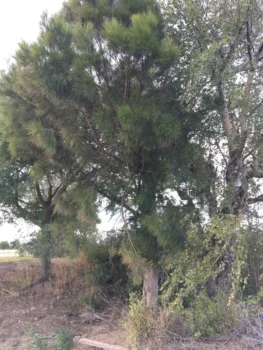
Despite its name, the river sheoak isn’t actually related to oak trees at all. This perennial tree is native to Australia and has distinctive needle-like foliage that droops gracefully from its branches, creating a fine, delicate texture that’s quite different from typical broadleaf trees. The river part of its name gives away its natural habitat preference – in its native Australia, it typically grows along riverbanks and waterways.
River sheoaks are impressive in size, potentially reaching up to 100 feet tall at maturity, though they typically hit around 50 feet by their 20th birthday. They have a single-stem growth form with an erect, upright shape that makes them excellent shade trees for large spaces.
Where You’ll Find River Sheoak in the United States
In the United States, river sheoak is considered a non-native species that has naturalized in Florida and Puerto Rico. It reproduces on its own in the wild and has established persistent populations in these warm, subtropical regions.
- Species observed
- No observations
The Good, The Bad, and The Speedy
Let’s start with the impressive stuff – river sheoaks are speed demons in the tree world. With a rapid growth rate, they can provide shade and structure to your landscape much faster than many native alternatives. They’re also quite adaptable to different soil types, growing well in both coarse and medium-textured soils.
However, there are some significant drawbacks to consider:
- They’re not particularly drought tolerant, which might surprise you given their tough appearance
- They have low salt tolerance, limiting their usefulness in truly coastal settings
- They’re shade intolerant, meaning they need full sun to thrive
- They have a relatively short lifespan for a tree
- They provide limited benefits to local wildlife and pollinators
Growing Conditions and Care
If you’re determined to grow a river sheoak, here’s what it needs to succeed:
Climate Requirements: River sheoaks are only suitable for USDA hardiness zones 9-11, requiring at least 300 frost-free days per year and temperatures that don’t drop below 22°F.
Soil Preferences: They prefer well-draining, coarse to medium-textured soils with a pH between 6.5 and 7.9. Avoid heavy clay soils, as they won’t adapt well to fine-textured growing media.
Water Needs: Despite their Australian desert associations, river sheoaks actually need consistent moisture and have medium water requirements. They’re not the drought-tolerant champions you might expect.
Sun Requirements: Full sun is non-negotiable – these trees are completely shade intolerant.
Planting and Propagation
River sheoaks are commercially available and can be propagated through several methods including seeds, cuttings, bare root, or container plants. Seeds are abundant (about 700,000 per pound!) and have high vigor, making them relatively easy to grow from scratch if you’re patient.
Plant spacing should allow for 300-700 trees per acre if you’re doing a large planting, giving each tree plenty of room to reach its mature size.
Landscape Role and Design Considerations
River sheoaks work best in large landscapes where their eventual size won’t overwhelm the space. They make excellent:
- Windbreaks and privacy screens
- Shade trees for parks and large properties
- Erosion control on slopes (thanks to their 24-inch minimum root depth)
- Specimen trees in commercial landscapes
Their fine-textured, dense foliage provides good screening year-round, and their erect growth habit makes them suitable for formal landscape designs.
Wildlife and Pollinator Value
Here’s where river sheoaks fall short for eco-conscious gardeners. Their small, red flowers bloom in mid-spring but are wind-pollinated and not particularly attractive to pollinators. The brown seeds that follow aren’t especially conspicuous or valuable to wildlife either.
Should You Plant a River Sheoak?
River sheoak can be a reasonable choice if you have a large property in zones 9-11, need fast-growing shade, and can provide consistent water. However, since it’s non-native and offers limited ecological benefits, consider native alternatives first.
For similar fast-growing shade in the Southeast, consider native options like:
- Bald cypress (Taxodium distichum) for wet areas
- Live oak (Quercus virginiana) for long-term shade
- Sweetgum (Liquidambar styraciflua) for fall color
- Tulip tree (Liriodendron tulipifera) for rapid growth
These native alternatives will provide better support for local ecosystems while still giving you the shade and structure you’re looking for. But if you do choose river sheoak, now you know exactly what you’re getting into – just make sure you have the space and water to keep it happy!