Rivet Wheat: An Ancient Grain with Modern Garden Appeal
Meet rivet wheat (Triticum turgidum), an ancient grain that’s been quietly making its way into North American gardens and wild spaces. This fascinating grass species has a story that spans thousands of years, from ancient Mediterranean civilizations to modern backyard gardens. But should you consider adding this historic plant to your landscape? Let’s dig into what makes rivet wheat tick and whether it deserves a spot in your garden.
What Exactly is Rivet Wheat?
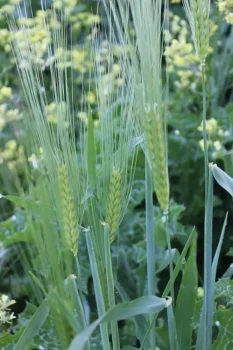
Rivet wheat is an annual grass that belongs to the same family as our modern bread wheat, but it’s got some unique characteristics that set it apart. Standing tall at 3-4 feet when mature, this golden-headed beauty develops distinctive wheat-like seed heads that catch the light beautifully in late summer. As a graminoid (that’s fancy talk for grass-like plant), it shares space with other members of the grass family, sedges, and rushes.
You might also see this plant referred to by its various scientific synonyms, including Triticum dicoccon, Triticum dicoccum, or Triticum dicoccoides, depending on which botanical reference you’re consulting.
Native Status and Geographic Distribution
Here’s where things get interesting from a native gardening perspective: rivet wheat isn’t actually native to North America. This Mediterranean and Middle Eastern native has established itself as a non-native species that reproduces spontaneously in the wild across both Canada and the United States. You’ll find it growing in Manitoba, Ontario, Saskatchewan, Connecticut, and New York, where it has naturalized and persists without human intervention.
- Species observed
- No observations
Should You Plant Rivet Wheat in Your Garden?
The decision to grow rivet wheat comes down to your gardening goals and philosophy. Here are some factors to consider:
Reasons You Might Want to Grow It:
- Historical and educational value – it’s a living piece of agricultural history
- Unique ornamental appeal with its golden seed heads
- Low-maintenance annual that doesn’t require intensive care
- Interesting texture addition to mixed plantings
- Conversation starter for heritage garden enthusiasts
Reasons You Might Want to Skip It:
- It’s non-native, so it won’t support local wildlife ecosystems as effectively as native grasses
- Can self-seed and establish in areas beyond where you plant it
- Limited wildlife benefits compared to native grass alternatives
- Takes up space that could be dedicated to supporting local pollinators and birds
Growing Conditions and Care
If you decide to grow rivet wheat, the good news is that it’s relatively straightforward to cultivate. This hardy annual thrives in USDA zones 3-9, making it adaptable to a wide range of climates.
Ideal Growing Conditions:
- Sunlight: Full sun for best growth and seed head development
- Soil: Well-drained soil is essential – avoid waterlogged areas
- Water: Moderate water needs; drought-tolerant once established
- Space: Allow 6-12 inches between plants for proper air circulation
Planting and Care Tips:
- Direct seed in early spring after the last frost date
- Plant seeds ¼ to ½ inch deep in prepared soil
- Keep soil consistently moist until germination occurs
- Thin seedlings if they become overcrowded
- Harvest seed heads before full maturity to prevent unwanted self-seeding
- Cut back after seed collection to prevent naturalization
Native Alternatives to Consider
If you’re drawn to the ornamental qualities of rivet wheat but prefer to support native ecosystems, consider these fantastic native grass alternatives:
- Little Bluestem – Beautiful copper-colored fall foliage and bird-friendly seeds
- Prairie Dropseed – Delicate, fountain-like form with fragrant flowers
- Buffalo Grass – Low-maintenance native with historical significance
- Indian Grass – Tall, golden plumes that rival any ornamental wheat
The Bottom Line
Rivet wheat occupies an interesting middle ground in the gardening world. It’s not invasive or harmful, but it’s also not contributing to local ecosystems the way native plants do. If you’re fascinated by agricultural history or need a unique ornamental grass for a specific design purpose, rivet wheat can be a reasonable choice – just be mindful about preventing it from self-seeding into wild areas.
For most native garden enthusiasts, however, the numerous beautiful native grass alternatives will provide better wildlife value while still delivering that golden, swaying aesthetic that makes grasses so appealing in the landscape. Whatever you choose, happy gardening!