Roadside Brome: Understanding This Non-Native Annual Grass
If you’ve ever wondered about that tall, somewhat scraggly grass you see along roadsides and in disturbed areas throughout the Pacific Coast, you’ve likely encountered roadside brome (Bromus stamineus). Also known as grazing brome, this annual grass has made itself quite at home in California, Oregon, and Washington, despite being originally from South America.
What Is Roadside Brome?
Roadside brome is a non-native annual grass that belongs to the brome grass family. Originally hailing from Chile and Argentina, this adaptable plant has established itself in the western United States, where it reproduces spontaneously without human intervention. You might also see it referenced by its synonyms Bromus valdivianus or Ceratochloa straminea in some botanical literature.
Where You’ll Find It
This hardy annual has spread throughout three western states: California, Oregon, and Washington. It’s particularly fond of disturbed areas, roadsides (hence the name!), and places where the soil has been churned up. The plant thrives in areas that many other species might find challenging.
- Species observed
- No observations
What Does It Look Like?
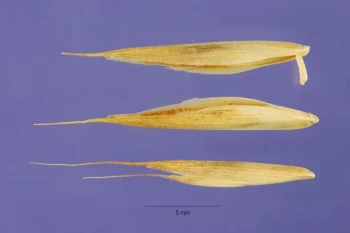
As an annual grass, roadside brome completes its entire life cycle in one growing season. It produces tall, somewhat open seed heads that tend to droop as they mature, giving the plant a rather relaxed, informal appearance. While it’s not winning any beauty contests, it has a certain understated charm in the right setting.
Growing Conditions and Care
If you’re considering this plant for your landscape, here’s what you should know about its preferences:
- Thrives in USDA hardiness zones 8-10
- Prefers disturbed or poor soils where competition is limited
- Very low maintenance once established
- Self-seeds readily for the following year
- Wind-pollinated, so it doesn’t rely on pollinators
Should You Plant Roadside Brome?
While roadside brome isn’t inherently problematic, it’s worth considering whether it’s the right choice for your garden. As a non-native species, it doesn’t provide the same ecological benefits as native plants. It offers minimal value to pollinators since it’s wind-pollinated, and its wildlife benefits are limited compared to native alternatives.
If you’re looking to create habitat for local wildlife or support native ecosystems, consider these native grass alternatives instead:
- Purple needlegrass (Stipa pulchra) – California’s state grass
- Blue wildrye (Elymus glaucus) – great for erosion control
- Idaho fescue (Festuca idahoensis) – excellent for naturalized areas
The Bottom Line
Roadside brome is a hardy, low-maintenance annual grass that’s already well-established in the Pacific Coast region. While it’s not particularly ornamental and doesn’t offer significant ecological benefits, it’s not considered invasive either. If you encounter it in your landscape, you can appreciate it for what it is – a resilient plant that’s found its niche in our changing world. However, if you’re planning new plantings, native alternatives will better support local ecosystems while providing similar or superior landscape benefits.