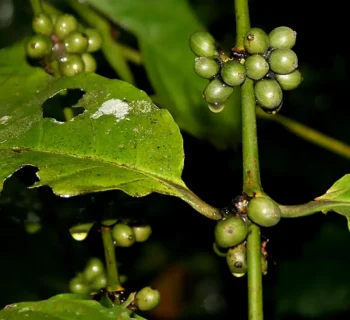
Robusta Coffee: Growing Your Own Coffee Plant at Home
Ever dreamed of sipping coffee made from beans you grew yourself? Meet robusta coffee (Coffea canephora), the hardier cousin of the more famous arabica coffee. While you might know this plant from your morning cup of joe, robusta coffee can actually make quite an interesting addition to your garden – if you live in the right climate.
What Is Robusta Coffee?
Robusta coffee, botanically known as Coffea canephora, is a tropical shrub that’s been making waves far from its African homeland. You might also see it referred to by its synonym, Coffea robusta. This non-native species has found its way to various tropical locations around the world, including Guam and Palau in the Pacific region, where it now grows and reproduces on its own.
Where Does It Grow?
Originally from central and western sub-Saharan Africa, robusta coffee has spread to tropical regions worldwide. In the United States territories, you’ll find it growing in Guam and Palau, where the warm, humid climate suits its needs perfectly.
- Species observed
- No observations
Why Consider Growing Robusta Coffee?
There are several reasons why gardeners might be drawn to this caffeinated beauty:
- Conversation starter: Nothing beats telling guests you grew your own coffee beans
- Attractive foliage: Glossy, dark green oval leaves provide year-round visual interest
- Fragrant flowers: Small white blooms release a sweet, jasmine-like scent
- Colorful fruit: Red to purple coffee cherries add vibrant pops of color
- Pollinator friendly: Those white flowers attract bees and other beneficial insects
The Reality Check
Before you get too excited about your future coffee plantation, let’s talk logistics. Robusta coffee is quite particular about its growing conditions and isn’t suitable for most North American gardens.
Growing Conditions and Care
Robusta coffee thrives in USDA hardiness zones 9b through 11, making it suitable only for the warmest parts of the continental United States, Hawaii, and tropical territories. Here’s what this tropical beauty needs:
- Climate: Warm and humid year-round (think greenhouse conditions if you’re not in the tropics)
- Light: Partial shade – it doesn’t like harsh, direct sunlight all day
- Soil: Well-draining, fertile soil that stays consistently moist but not waterlogged
- Water: Regular watering to maintain soil moisture
- Fertilizer: Feed during the growing season with a balanced fertilizer
Container Growing for Cold Climates
If you live outside the tropical zones but still want to try your hand at coffee cultivation, container growing might be your answer. You can grow robusta coffee in a large pot and bring it indoors during winter, though you’ll need to provide adequate humidity and warmth.
Maintenance Tips
- Prune regularly to maintain shape and encourage bushier growth
- Protect from cold temperatures – even a light frost can damage or kill the plant
- Watch for pests like coffee berry borer and scale insects
- Be patient – it can take 3-5 years before you see your first coffee cherries
Consider Native Alternatives
Since robusta coffee isn’t native to North America, you might want to consider some native alternatives that can provide similar benefits to your garden and local wildlife. Depending on your region, native shrubs with attractive berries and flowers might include elderberry, serviceberry, or native viburnums – all of which support local pollinators and birds much better than non-native species.
The Bottom Line
Growing robusta coffee can be a fun gardening adventure if you have the right climate or are willing to pamper a container plant. While it’s not native and won’t support local wildlife as effectively as indigenous plants, it’s also not considered invasive or harmful. Just remember that successful coffee cultivation requires patience, the right conditions, and realistic expectations about your homegrown coffee supply.
Whether you decide to grow robusta coffee or explore native alternatives, the key is choosing plants that will thrive in your specific conditions while contributing positively to your local ecosystem.