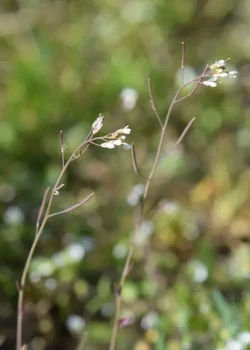
Rockcress (Arabidopsis): A Delicate Annual for Early Spring Gardens
Meet rockcress, a charming little annual that quietly makes its mark in gardens across North America. While this delicate forb might not be the showiest plant in your garden, it brings its own subtle beauty and practical benefits that have made it a steady presence in landscapes from coast to coast.
What is Rockcress?
Rockcress is an annual forb, which simply means it’s a non-woody plant that completes its life cycle in one growing season. As a forb, it lacks significant woody tissue and produces fresh growth from buds at or below ground level. Don’t let its modest stature fool you – this little plant has quite the personality when it comes to spreading and establishing itself in suitable spots.
Origins and Distribution
Originally hailing from Europe and western Asia, rockcress has made itself at home across much of North America. This non-native species has successfully established populations throughout the lower 48 states, with its status in Canada and Greenland being less clearly defined. You’ll find rockcress growing everywhere from Alabama to British Columbia, and from California to Newfoundland – quite the continental traveler!
- Species observed
- No observations
Why Consider Rockcress for Your Garden?
While rockcress isn’t native to North America, it does offer several appealing qualities for gardeners:
- Early bloomer: Provides nectar for small pollinators when few other flowers are available
- Low maintenance: Once established, it requires minimal care and can handle drought conditions
- Versatile: Thrives in poor soils where other plants might struggle
- Self-seeding: Will naturally reseed itself, creating consistent coverage year after year
- Delicate beauty: Small white flowers in clusters create a soft, cottage garden feel
Garden Role and Design Uses
Rockcress excels as a ground cover plant, particularly in rock gardens where its name truly shines. Its low-growing rosettes and delicate flower clusters make it perfect for:
- Rock gardens and stone pathways
- Naturalized areas where a wild, informal look is desired
- Cottage gardens for that authentic, slightly untamed aesthetic
- Areas with poor soil where other plants might struggle
Growing Conditions and Care
One of rockcress’s best qualities is how easygoing it can be. Here’s what this little plant prefers:
- Sunlight: Full sun to partial shade
- Soil: Well-drained soil (it actually tolerates poor, rocky soil quite well)
- USDA Hardiness Zones: 3-9
- Water: Drought tolerant once established, though it appreciates regular water during germination
Planting and Care Tips
Growing rockcress is refreshingly straightforward:
- Sow seeds directly in early spring or allow natural self-seeding
- Seeds need light to germinate, so barely cover them with soil
- Water gently until seedlings are established
- Once mature, the plants are quite drought tolerant
- Deadheading spent flowers can encourage more blooms, though many gardeners let them go to seed
A Word About Native Alternatives
While rockcress can be a useful garden plant, consider exploring native alternatives that provide similar benefits while supporting local ecosystems. Look into native species like wild ginger, native sedums, or regional wildflowers that offer early blooms and ground cover qualities while supporting native wildlife more effectively.
The Bottom Line
Rockcress is a reliable, low-maintenance annual that can fill specific niches in your garden, particularly in challenging spots with poor soil or where you want early-season interest. While it’s not native, it’s generally well-behaved and offers practical benefits for both gardeners and early-season pollinators. Just remember to keep an eye on its self-seeding tendencies and consider incorporating native plants alongside it for the most ecologically beneficial garden possible.