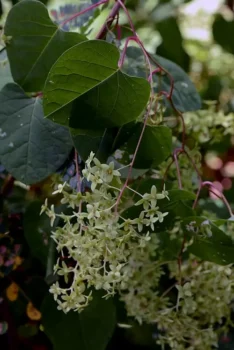
Rockroot (Agdestis clematidea): An Uncommon Non-Native Perennial
Meet rockroot, a rather mysterious perennial that goes by the scientific name Agdestis clematidea. If you’re scratching your head wondering what this plant looks like or how to grow it, you’re not alone! This uncommon species doesn’t grace many garden centers or plant catalogs, making it something of a botanical enigma.
What Is Rockroot?
Rockroot is a perennial forb herb, which is a fancy way of saying it’s a non-woody plant that comes back year after year. Unlike shrubs or trees, it doesn’t develop thick, woody stems above ground. Instead, it keeps its growing points at or below soil level, helping it survive through different seasons.
Where Does Rockroot Grow?
This non-native species has established itself in parts of the southern United States, specifically Florida and Texas, as well as Puerto Rico. It’s what botanists call an introduced species that reproduces on its own in the wild without human help.
- Species observed
- No observations
Should You Plant Rockroot in Your Garden?
Here’s where things get tricky. While rockroot isn’t currently listed as invasive or noxious, there’s surprisingly little information available about this plant’s garden performance, growing requirements, or potential impacts. This lack of data makes it difficult to recommend for home gardeners.
Consider Native Alternatives Instead
Given the limited information about rockroot and its non-native status, you might want to consider native alternatives that offer similar benefits with well-documented growing requirements:
- For Florida gardeners: Consider native wildflowers like blanket flower (Gaillardia pulchella) or wild bergamot (Monarda fistulosa)
- For Texas gardeners: Look into native options like purple coneflower (Echinacea purpurea) or native lantana (Lantana camara)
- For Puerto Rico gardeners: Explore native flowering plants suited to your tropical climate
The Mystery of Growing Rockroot
Unfortunately, specific growing conditions, hardiness zones, and care requirements for rockroot remain largely unknown in horticultural literature. This makes it a challenging choice for gardeners who prefer plants with predictable needs and behaviors.
Supporting Your Local Ecosystem
When choosing plants for your garden, native species typically offer the best support for local wildlife, including pollinators, birds, and beneficial insects. They’re also adapted to your local climate and soil conditions, making them easier to grow successfully.
The Bottom Line
While rockroot might sound intriguing, its mysterious nature and non-native status make it a less-than-ideal choice for most gardeners. Instead, consider exploring the wonderful world of native plants in your area. You’ll find plenty of beautiful, well-documented options that will thrive in your garden while supporting your local ecosystem.
Your local native plant society or extension office can help you discover native alternatives that will bring both beauty and ecological benefits to your landscape. Happy gardening!