Roman Chamomile: A Fragrant Ground Cover with Old-World Charm
If you’ve ever dreamed of a lawn that releases a sweet, apple-like fragrance when walked upon, Roman chamomile (Chamaemelum nobile) might just be the plant for you. This charming perennial herb has been beloved by gardeners for centuries, offering both beauty and utility in a compact, low-growing package.
What Is Roman Chamomile?
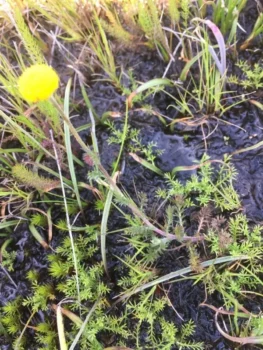
Roman chamomile is a perennial forb—essentially an herbaceous plant without woody stems—that forms dense, spreading mats of feathery, aromatic foliage. Also known by its botanical name Chamaemelum nobile (formerly Anthemis nobilis), this delightful plant produces small, daisy-like flowers with white petals and sunny yellow centers that bloom throughout the summer months.
Native Status and Where It Grows
While Roman chamomile has found a comfortable home in American gardens, it’s actually a non-native species originally from Western and Southern Europe, particularly Mediterranean regions. In the United States, it has naturalized and can be found growing in several states including California, Connecticut, Delaware, Illinois, Indiana, Iowa, Michigan, New Jersey, New York, North Carolina, and Ohio.
- Species observed
- No observations
Why Consider Roman Chamomile for Your Garden?
Roman chamomile brings several appealing qualities to the garden:
- Fragrant beauty: The plant’s feathery, gray-green foliage releases a sweet, apple-like scent when brushed against or stepped on
- Pollinator magnet: The cheerful daisy flowers attract bees, butterflies, and other beneficial insects
- Low maintenance: Once established, it’s drought tolerant and requires minimal care
- Versatile ground cover: Forms dense mats that can serve as a fragrant lawn alternative or pathway covering
- Historical charm: Adds old-world cottage garden appeal to landscapes
Garden Roles and Landscape Uses
Roman chamomile shines in several garden settings. It’s perfect for herb gardens, where its culinary and medicinal uses can be appreciated alongside its ornamental value. The plant works beautifully in cottage gardens, rock gardens, and Mediterranean-style landscapes. Many gardeners use it as a living carpet between stepping stones or as a fragrant lawn substitute in low-traffic areas.
The plant typically grows 3-6 inches tall and spreads 12-18 inches wide, making it an excellent choice for edging, ground cover, or filling in gaps between larger plants.
Growing Conditions and Care
Roman chamomile is refreshingly easy to grow and adapts well to various conditions:
- Sunlight: Prefers full sun but tolerates partial shade
- Soil: Thrives in well-drained soil; doesn’t tolerate waterlogged conditions
- Water: Drought tolerant once established, though regular watering during dry spells keeps it looking its best
- Climate: Hardy in USDA zones 4-9
Planting and Care Tips
Getting started with Roman chamomile is straightforward. Plant it in spring after the last frost, spacing plants 6-12 inches apart if you want quick coverage. The plant spreads naturally through creeping stems, gradually filling in gaps.
Once established, Roman chamomile requires minimal care. You can actually mow it occasionally to keep it tidy and encourage dense growth—just like a traditional lawn, but with infinitely more character! Deadheading spent flowers will encourage more blooms, though many gardeners leave them for the pollinators.
A Word About Native Alternatives
While Roman chamomile is a delightful addition to gardens and isn’t considered invasive, gardeners interested in supporting local ecosystems might also consider native alternatives. Wild bergamot (Monarda species), creeping phlox (Phlox subulata), or native sedums can provide similar ground-covering benefits while supporting local wildlife and pollinators even more effectively.
The Bottom Line
Roman chamomile offers gardeners a unique combination of beauty, fragrance, and functionality. Whether you’re creating a sensory garden, looking for a drought-tolerant ground cover, or simply want to add some old-world charm to your landscape, this adaptable perennial delivers. Just remember to source your plants responsibly and consider how it fits into your overall garden ecosystem. With minimal care requirements and maximum charm, Roman chamomile might just become your new favorite fragrant friend in the garden.