Rosa beggeriana: A Hardy Central Asian Rose for Your Garden
If you’re looking for a tough, drought-tolerant rose that can handle harsh conditions without much fuss, Rosa beggeriana might just be the shrub you’ve been searching for. This lesser-known member of the rose family hails from the rugged landscapes of Central Asia and brings a no-nonsense attitude to garden design.
What Is Rosa beggeriana?
Rosa beggeriana is a hardy deciduous shrub that’s built to survive. While it may not have a widely recognized common name, this rose has earned respect among gardeners who appreciate plants that can thrive with minimal intervention. You might also encounter it under the synonym Rosa iliensis, but don’t let the scientific names intimidate you – this is simply a rose that knows how to take care of itself.
Where Does It Come From?
This resilient rose is native to Central Asia, particularly found across Kazakhstan, Kyrgyzstan, and neighboring regions. It’s adapted to the challenging climate conditions of these areas, including temperature extremes and limited water availability.
What Does It Look Like?
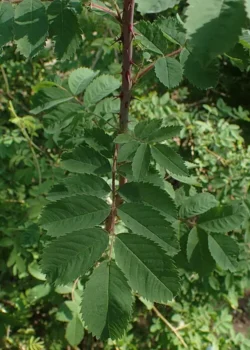
Rosa beggeriana won’t win any beauty contests against hybrid tea roses, but it has its own understated charm. The shrub produces small, delicate flowers that range from white to pale pink, creating a subtle display rather than a showy spectacle. Like most wild roses, it’s armed with thorns and features the classic compound rose leaves. After flowering, it develops small rose hips that add autumn interest.
Why Grow Rosa beggeriana?
Here are some compelling reasons to consider this tough customer:
- Extremely drought tolerant once established
- Hardy in USDA zones 4-8
- Low maintenance requirements
- Attracts pollinators with its flowers
- Provides food for wildlife through its rose hips
- Excellent for challenging garden sites
Perfect Garden Settings
Rosa beggeriana shines in situations where other roses might struggle. It’s particularly well-suited for:
- Rock gardens and xeriscapes
- Naturalized areas and wildlife gardens
- Slopes and erosion-prone sites
- Low-water landscapes
- Areas with poor soil conditions
Growing Conditions and Care
The beauty of Rosa beggeriana lies in its simplicity. This rose prefers:
- Full sun exposure
- Well-drained soils (it’s quite tolerant of poor soils)
- Minimal watering once established
- Little to no fertilization
For planting and care, keep these tips in mind:
- Plant in spring or fall when temperatures are moderate
- Water regularly during the first growing season to establish roots
- Prune lightly after flowering if needed
- Avoid overwatering or over-fertilizing, which can reduce hardiness
Consider Native Alternatives
While Rosa beggeriana can be a valuable addition to challenging garden sites, you might also consider native rose species for your region. Native roses provide similar benefits while supporting local ecosystems more directly. Research what wild roses are native to your area – you might be surprised by the tough, beautiful options available.
The Bottom Line
Rosa beggeriana is a no-frills rose for gardeners who want reliability over showiness. If you have a difficult site that needs a tough shrub, or if you’re creating a low-maintenance landscape, this Central Asian native could be exactly what you need. Just remember that while it’s perfectly fine to grow, exploring native alternatives first is always a great approach to gardening responsibly.